
High-quality fashion product descriptions are the essential bridge between a digital image and a physical garment. For fashion students, these descriptions communicate critical details about fit, fabric, and feel that photography cannot, while simultaneously boosting search engine visibility, building consumer trust, and significantly reducing expensive return rates.
What is a fashion product description?
A fashion product description is more than just a list of specifications; it is a persuasive piece of marketing copy that tells the story of a garment. It details the material composition, the specific cut of the piece, care instructions, and styling suggestions. For a student or a new designer, this is the first opportunity to translate their creative vision into a language that resonates with a potential buyer.
When you are building your online presence, perhaps using tools found in our How to Guides , you quickly realize that a picture might show the color of a dress, but the text tells the customer how that dress will feel against their skin. It explains whether the fabric has a slight stretch or if it is a rigid, architectural denim. This technical and emotional information is what ultimately drives the 'Add to Cart' action.
Effective descriptions typically include:
- A compelling product title that captures attention.
- A sensory-driven summary of the garment’s aesthetic.
- Technical details including fabric weight and weave.
- Practical sizing advice and model measurements.
- Detailed care instructions for garment longevity.
Why do fashion students need better copy?
As a fashion student, your portfolio and your eCommerce store are often the same thing. You aren't just selling a piece of clothing; you are selling your design philosophy and your technical skill. If your product descriptions are vague or poorly written, it suggests a lack of attention to detail—a trait that is fatal in the fashion industry. High-quality copy elevates your brand from a 'student project' to a 'professional label.'
Many students focus 90% of their energy on the photography and only 10% on the text. However, the copy is where you handle objections. A customer might love your jacket design but hesitate because they don't know if it’s heavy enough for winter or if it has internal pockets. By answering these questions in the description, you remove the barriers to purchase. This level of professionalism is what we discuss in our Video Training modules, emphasizing that every touchpoint on your site must reflect your brand’s quality.

The SEO Benefit: Getting Found Online
In the crowded world of digital fashion, search engine optimization (SEO) is the primary way new customers find your work. Search engines like Google cannot 'see' your beautiful photography; they rely on text to understand what your page is about. This is where your product descriptions become your most powerful SEO tool. By naturally incorporating keywords related to your designs—such as 'handmade silk blouse,' 'sustainable linen trousers,' or 'avant-garde evening wear'—you signal to search engines that your store is relevant to those queries.
For a fashion student, the goal is often to rank for 'long-tail' keywords. These are specific phrases like 'recycled polyester pleated skirt' rather than just 'skirt.' Because you are likely producing niche or unique items, your descriptions should be hyper-specific. This specificity not only helps with ranking but also ensures that the traffic coming to your site is highly targeted. You don't just want visitors; you want shoppers who are looking exactly for what you have created. You can find more strategies for this on our Blog .
Key SEO elements to include in descriptions:
- Primary keywords in the first paragraph.
- Natural variations of keywords (e.g., 'sustainable' and 'eco-friendly').
- Descriptive alt-text for all product images.
- Internal links to related collections or style guides.
- Bullet points for easy scanning by both bots and humans.
How do descriptions reduce return rates?
Returns are the 'silent killer' of eCommerce, especially for small-scale designers and students who may have limited inventory and tight margins. In the fashion industry, the number one reason for returns is 'fit' or 'product not as described.' When a customer receives a garment that looks different from what they expected, or fits poorly because the description was vague, you lose money on shipping and potentially lose that customer forever.
Detailed descriptions mitigate this risk by providing accurate expectations. If a fabric is sheer, say so. If a coat runs large and people should size down, tell them. By being radically transparent about the physical properties of your work, you empower the customer to make an informed choice. This transparency builds a foundation of trust. When a customer knows exactly what is arriving in the mail, they are far more likely to be satisfied with their purchase.
Building Emotional Connections Through Fabric
Fashion is an emotional industry. People don't just buy clothes for utility; they buy them for how they make them feel. Your product descriptions are the narrative vehicle for this emotion. Instead of saying a shirt is 'blue cotton,' you might describe it as 'breathable sky-blue organic cotton that moves with you from morning meetings to evening gallery openings.'
By describing the 'use case' or the lifestyle associated with your design, you help the customer visualize themselves in your work. This is particularly important for fashion students who are often pushing boundaries with their designs. You need to explain the 'why' behind the 'what.' Why did you choose this specific drape? What inspired the silhouette? Sharing these details creates a connection that a generic fast-fashion description never could.
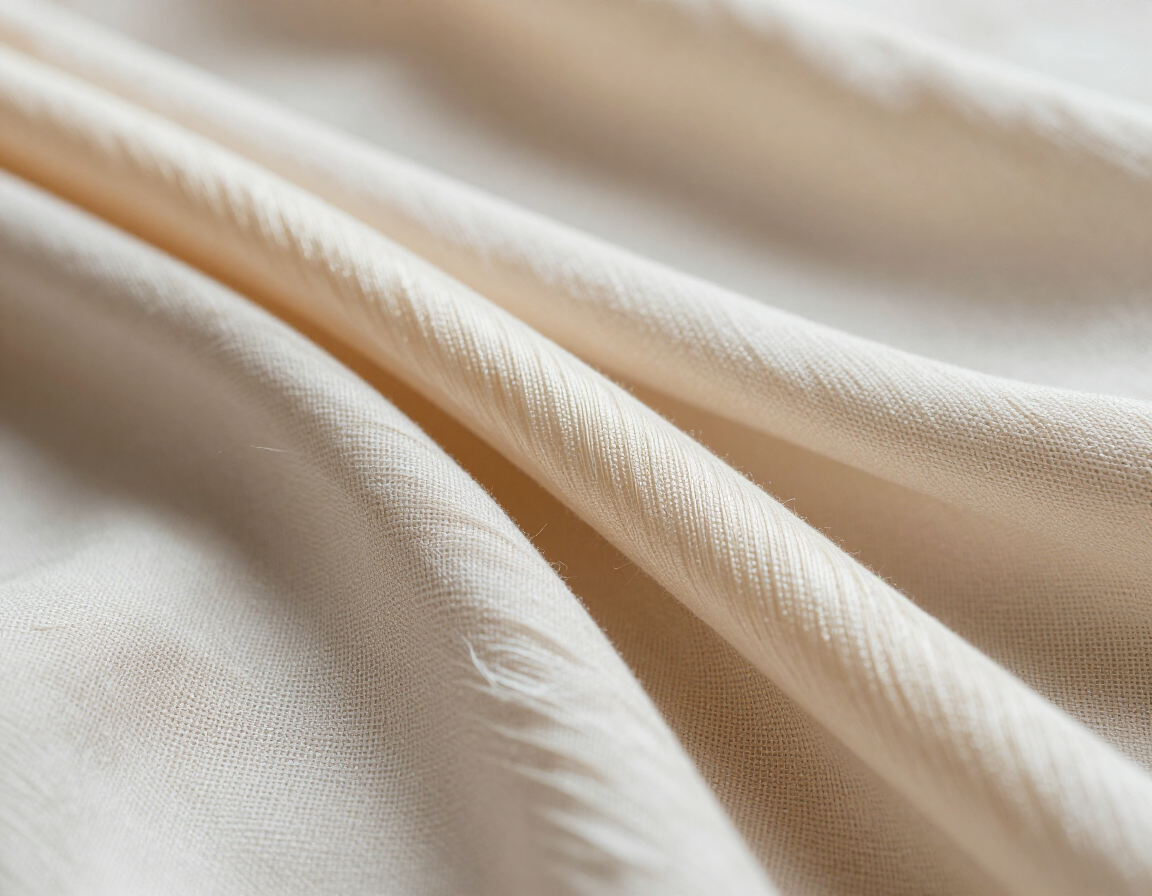
Can AI help fashion students write faster?
Writing hundreds of unique descriptions can be overwhelming, especially when you are also busy pattern-cutting, sewing, and managing your studies. This is where modern website builders and AI tools come into play. While the human touch is essential for brand voice, AI can provide a solid foundation. It can generate the basic structure, ensure technical details are included, and even suggest creative adjectives you might have overlooked.
Using AI-driven tools allows you to scale your productivity. You can input the basic facts about your garment—material, cut, color—and receive a drafted description in seconds. From there, you can edit the copy to ensure it aligns perfectly with your brand's unique tone. This hybrid approach—AI efficiency combined with human creativity—is a game-changer for student entrepreneurs. If you're looking for personalized help with these tools, you can Book 1:1 Training with our experts.
The Impact of Descriptions on Mobile Conversions
Most fashion discovery happens on mobile devices, often through social media platforms like Instagram or TikTok. When a user clicks through to your store from a mobile app, they are looking for quick, digestible information. Mobile screens offer limited space, which makes the hierarchy of your product description vital.
On mobile, the first two sentences of your description are the most important. They must capture the essence of the item immediately. If a user has to scroll through endless fluff to find the sizing or the material, they will bounce from your site. A well-formatted, punchy description that uses bullet points for technical details ensures that your mobile conversion rates remain high. Remember, a student’s success in eCommerce often hinges on capturing those fleeting moments of mobile attention.
How should students structure their product pages?
Consistency is key to a professional-looking eCommerce store. As you develop your site, perhaps looking at Product Updates for the latest features, you should establish a template for your product descriptions. This ensures that every page feels like part of a cohesive collection, regardless of when the items were added.
A winning structure for a fashion product page include:
- A bold, descriptive title that includes the product name.
- A short 'hook' paragraph (2-3 sentences) on the vibe/style.
- A bulleted list of features (pockets, closures, lining).
- Sizing information including the model’s height and size.
- A clear call-to-action (CTA) to encourage the purchase.
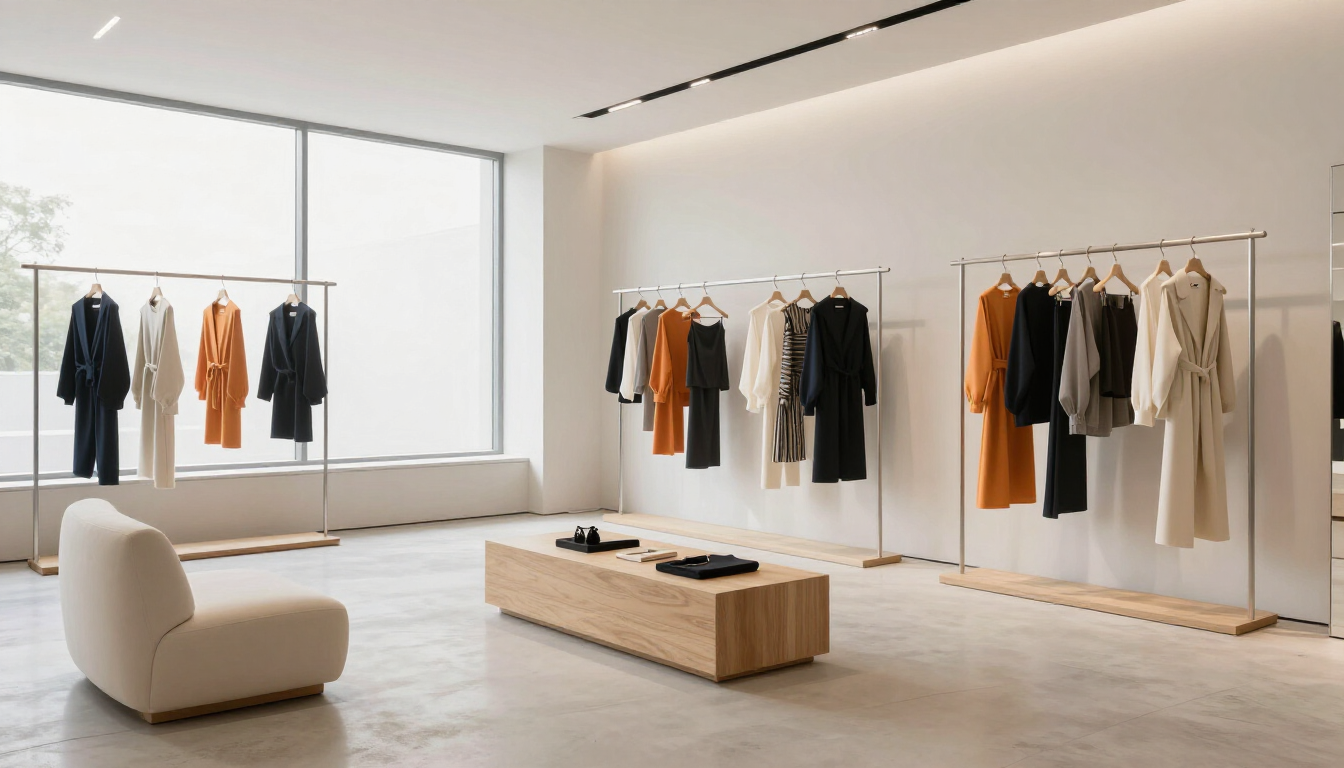
Summary of Product Description Best Practices
Mastering product descriptions is a foundational skill for any fashion student aiming for commercial success. By focusing on clarity, SEO, and emotional resonance, you transform your website from a simple gallery into a high-performing retail environment. Remember that your words are the digital equivalent of a salesperson in a physical boutique; they should be helpful, persuasive, and reflective of your brand's quality.
To ensure your store thrives, keep these takeaways in mind:
- Always lead with the most important information for the customer.
- Use specific keywords to boost your store's visibility in search results.
- Provide comprehensive sizing and material details to minimize returns.
- Develop a unique brand voice that differentiates you from competitors.
- Leverage AI tools to maintain consistency and save time during busy periods.
By treating your product descriptions with the same care as your designs, you set yourself apart as a professional ready for the modern fashion industry. Whether you are just starting or looking to optimize an existing store, every word you write is an investment in your brand's future growth and customer loyalty.