Choosing the right shippers for your eCommerce store involves balancing delivery speed, shipping costs, and carrier reliability. Evaluate partners based on their integration capabilities with your website platform , their regional or global coverage, and their ability to provide transparent tracking to ensure a positive customer experience and long-term business growth.
Why is shipping strategy a critical competitive advantage?
In the modern digital landscape, the shipping experience is no longer just a logistical necessity; it is a fundamental part of your brand identity. When customers shop online, their interaction with your business does not end at the checkout button. Instead, it continues through the notification emails, the wait time, and the eventual unboxing of the product. If a shipment is delayed, damaged, or accompanied by confusing tracking information, the customer is likely to associate that frustration with your brand, regardless of how good the product itself might be. Conversely, a seamless delivery experience builds trust and encourages repeat business.
For growing eCommerce stores, managing shipping expectations is vital for maintaining a high Net Promoter Score (NPS). By selecting the right shippers, you can offer varied delivery options—such as next-day delivery for urgent needs or discounted standard shipping for budget-conscious shoppers. This flexibility directly impacts conversion rates. Many shoppers abandon their carts specifically because of high shipping costs or slow delivery estimates. Therefore, choosing a shipper that aligns with your financial goals and your customers' expectations is a prerequisite for scaling effectively. As you explore our how-to-guides , you will find that optimizing the final mile is often the difference between a one-time buyer and a loyal advocate.
How do you determine your specific eCommerce shipping requirements?
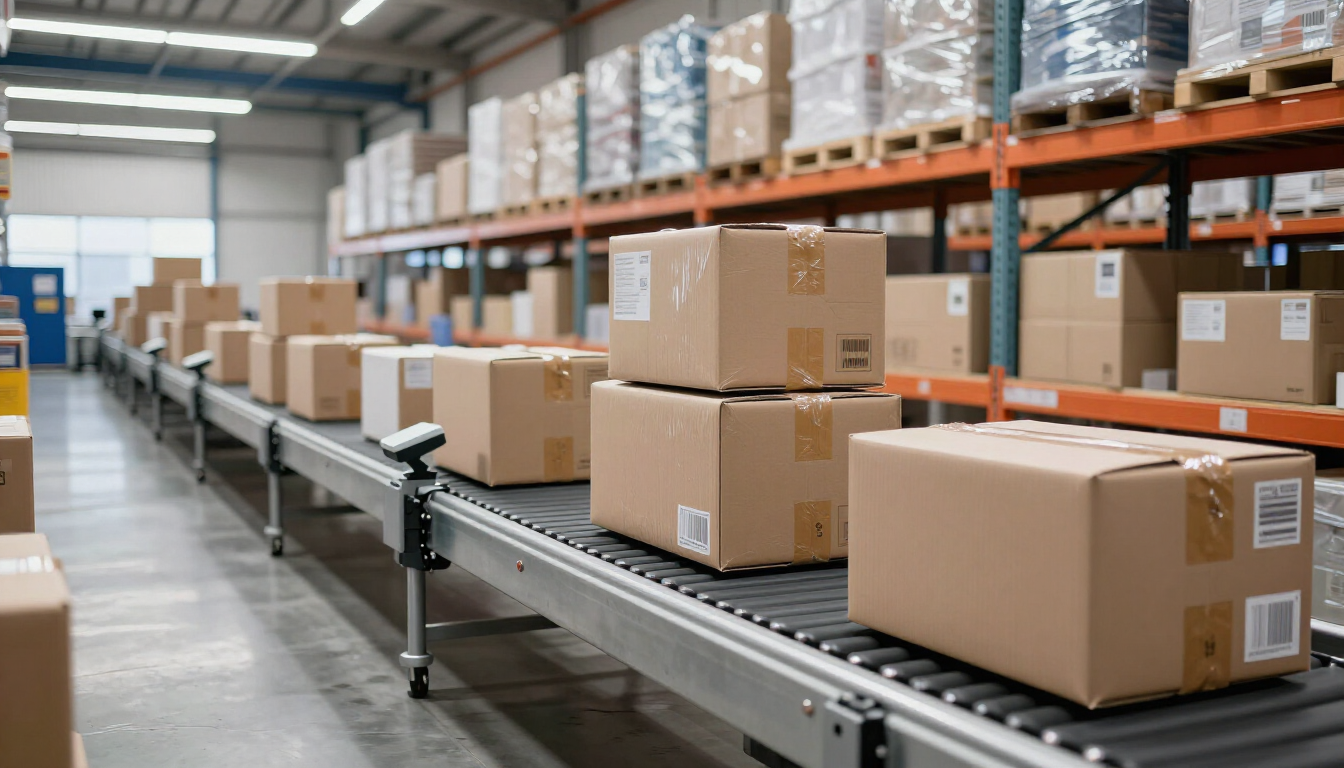
Before you can compare different carriers, you must conduct a thorough audit of your own product catalog and customer base. Not all shippers are created equal, and many specialize in specific types of logistics. For instance, if you are selling lightweight jewelry, your needs will be vastly different from a business selling heavy furniture or fragile electronics. Start by categorizing your products by weight and dimensions. Most carriers use dimensional (DIM) weight to calculate prices, meaning the size of the box can sometimes matter more than how much it weighs.
Next, consider your shipping destinations. Are you primarily shipping domestically, or do you have a growing international audience? International shipping requires carriers with robust customs clearance processes and local partnerships in destination countries. You should also evaluate your average monthly shipping volume. Many major shippers offer significant discounts to businesses that hit certain volume thresholds. If you are just starting out, you might look for a carrier that offers competitive flat-rate options to keep your overhead predictable while you grow your presence using the tools available at Avantiy . Understanding these variables allows you to enter negotiations with carriers from a position of knowledge, ensuring you don't overpay for services you don't actually need.
Comparing Major Carriers: UPS, FedEx, and DHL
When most eCommerce owners think of shipping, the "Big Three" immediately come to mind. Each of these giants has unique strengths that may or may not align with your specific business model. UPS is often praised for its extensive domestic ground network in North America and its reliable tracking systems. They are a go-to for many businesses that require consistency and a wide range of drop-off locations. FedEx, on the other hand, is frequently the preferred choice for time-sensitive or overnight deliveries, thanks to its massive air fleet and specialized express services.
DHL stands out as the undisputed leader in international logistics. If your eCommerce store targets a global market, DHL's expertise in navigating international regulations and its presence in over 220 countries make it an invaluable partner. However, for domestic-only shipping in some regions, DHL may not be as cost-effective as local postal services or other private carriers. It is common for successful eCommerce brands to use a multi-carrier strategy, leveraging the strengths of each. For example, you might use UPS for your standard domestic orders and DHL for your international shipments. This approach provides a safety net; if one carrier faces a strike or a major weather disruption, you have existing accounts with others to keep your business moving.
What role do regional carriers play in logistics?
While the major global players dominate the headlines, regional carriers are becoming increasingly popular for eCommerce stores looking to optimize costs and speed. These carriers focus on specific geographic areas, allowing them to offer highly competitive rates and often faster transit times within those zones. Because they have smaller, more concentrated networks, they can sometimes provide a level of personalized service and flexibility that larger corporations cannot match. Using regional shippers is an excellent way to handle high volumes in specific states or provinces, reducing the number of "shipping zones" your packages must cross.
Integrating regional carriers into your shipping mix can significantly lower your average cost per shipment. However, the challenge lies in management. Coordinating multiple regional partners requires a robust backend system to ensure that the right carrier is selected for the right zip code. This is where modern eCommerce platforms shine, providing the infrastructure to manage complex logistics without manual intervention. By staying updated with our product-updates , you can learn how new features help streamline these integrations, making it easier than ever to tap into the efficiency of regional shipping networks without increasing your administrative workload.

Can automated shipping tools improve operational efficiency?
Manual shipping processes are the enemy of scalability. If you are still hand-writing labels or manually entering tracking numbers into your customer database, you are creating a bottleneck that will eventually stifle your growth. Automated shipping tools and software integrations are essential for any serious eCommerce operation. These systems connect your online store directly to your chosen shippers, allowing you to print labels in bulk, automatically calculate the best rates, and send real-time tracking updates to your customers the moment a label is generated.
Automation also reduces the risk of human error. Incorrect addresses, mismatched SKU numbers, and forgotten shipments can lead to costly returns and unhappy customers. By using a platform like Avantiy , which prioritizes seamless integration, you can ensure that the data flows accurately from the customer's input to the carrier's system. Furthermore, automated tools can help you manage inventory across multiple locations. If you use a third-party logistics (3PL) provider, automation ensures they receive the order data instantly, allowing for faster picking and packing. This level of efficiency not only saves time but also allows you to focus on high-level tasks like marketing and product development rather than being bogged down in daily fulfillment chores.
Navigating Shipping Insurance and Claims
No matter how reliable your shipper is, accidents happen. Packages get lost, stolen, or damaged during transit. This is why understanding shipping insurance is a vital part of choosing your partners. Many carriers provide a basic level of coverage for every shipment, but this is often limited to a specific dollar amount (e.g., $100). If you sell high-value items, you must decide whether to purchase additional insurance through the carrier or a third-party provider. This cost should be factored into your overall shipping budget and pricing strategy.
When a problem does arise, the ease of the claims process becomes paramount. Some shippers are notoriously difficult to deal with when it comes to reimbursing lost packages, requiring extensive documentation and long waiting periods. Before committing to a long-term contract, research the carrier's reputation for handling claims. A shipper that makes it easy to resolve issues will save you significant stress and help you maintain your customer's trust by allowing you to reship or refund items quickly. Remember, your customer doesn't care whose fault the damage was; they just want their product. Your ability to resolve the situation quickly depends entirely on the support provided by your shipping partner.
The Future of Sustainable eCommerce Shipping
Consumer behavior is shifting toward environmental consciousness, and shipping is a major part of that equation. Choosing a shipper that offers sustainable options can be a powerful marketing tool. Many modern carriers are investing in electric delivery fleets, carbon-offset programs, and optimized routing algorithms to reduce their environmental impact. By partnering with these forward-thinking companies, you can align your brand with the values of your eco-conscious customers. This transition to "green logistics" is not just about ethics; it's increasingly becoming a business requirement as regulations tighten around carbon emissions.

Summary of Key Takeaways
Choosing the right shippers is a strategic decision that affects every aspect of your eCommerce business, from profit margins to customer satisfaction. By evaluating carriers based on their specialized strengths, geographic reach, and integration capabilities, you can build a logistics network that supports sustainable growth. Remember to balance cost with speed and always prioritize transparency through automated tracking.
- Prioritize Integration : Ensure your shipper works seamlessly with your website platform for automated fulfillment.
- Diversify Carriers : Use a mix of national, international, and regional shippers to optimize costs and reliability.
- Audit Regularly : Periodically review your shipping data to ensure you are still getting the best rates as your volume grows.
- Focus on Communication : Choose shippers that provide clear, real-time tracking to reduce customer service inquiries.
- Plan for the Worst : Understand insurance and claims processes to protect your business from loss or damage.