The e-commerce landscape is changing at lightning speed, with 2026 set to bring even more innovation for both shoppers and sellers. With countless options now available, finding the best e commerce websites can feel daunting, especially as new features and technologies continue to emerge.
Whether you are a small business owner, entrepreneur, or a savvy online shopper, knowing which platforms truly stand out gives you a real advantage. This guide explores the top 7 best e commerce websites to explore in 2026, focusing on their unique features, pricing, benefits, and ideal use cases to help you make a confident, informed choice.
What Makes an E-Commerce Website Stand Out in 2026?
In 2026, the best e commerce websites are defined by a blend of smart technology, seamless user experience, and the agility to adapt as markets change. With so many platforms now available, understanding what sets the leaders apart can help you invest wisely, whether you are launching a new online shop or scaling an existing business.
Key Features to Look for
What truly distinguishes the best e commerce websites in 2026 is a smart mix of essential features that enhance both the customer journey and the seller’s workflow.
- User-friendly design for easy navigation
- Mobile responsiveness for shopping on any device
- Advanced AI-driven personalisation for tailored recommendations
- Secure payment processing and robust data protection
- Seamless integration with marketing, analytics, and inventory tools
For UK small businesses, these features can mean the difference between a one-time shopper and a loyal customer. Avantiy, for example, leads with AI-powered design and built-in SEO, but all top platforms now prioritise these must-haves.
Trends Shaping E-Commerce Platforms
The landscape of the best e commerce websites is constantly evolving, with several trends pushing innovation forward.
- Rise of AI tools for content creation, SEO, and customer service
- Growth of omnichannel selling across social media and marketplaces
- Demand for customisable templates and unique branding
- Expansion into digital products, memberships, and subscriptions
AI-driven personalisation is especially transforming the way online shops engage shoppers, as highlighted in AI-driven personalization in e-commerce. Platforms like Avantiy are integrating these trends into accessible tools, giving even smaller retailers an edge.
Importance of Scalability and Support
The best e commerce websites are built to grow with your business. Scalability is critical, whether you start as a solo entrepreneur or aim to become a high-volume retailer.
Look for:
- Flexible plans to match your business size
- Access to expert support, live chat, and learning resources
- Reliable hosting, uptime, and security guarantees
Avantiy and similar platforms focus on giving UK startups and SMEs the ability to scale up without technical headaches. Reliable support becomes especially important as your shop expands, ensuring smooth operations at every stage.
Value for Money and Transparent Pricing
For most businesses, value for money is a top priority when choosing among the best e commerce websites. Transparent pricing helps you budget, avoid hidden costs, and plan for upgrades as you grow.
- Clear breakdown of subscription and transaction fees
- Free trials and affordable entry-level plans
- Options to scale features as your needs change
Comparing long-term costs alongside features is vital. Platforms like Avantiy stand out for offering free trials and transparent tiers, helping UK entrepreneurs build powerful shops without overspending.
Top 7 Best E-Commerce Websites to Explore in 2026
Choosing the best e commerce websites is essential for online success in 2026. With so many platforms, each offering unique features, it helps to compare them side by side. Below, we review the top 7 best e commerce websites, highlighting what makes each one stand out for UK small businesses and entrepreneurs.
Avantiy
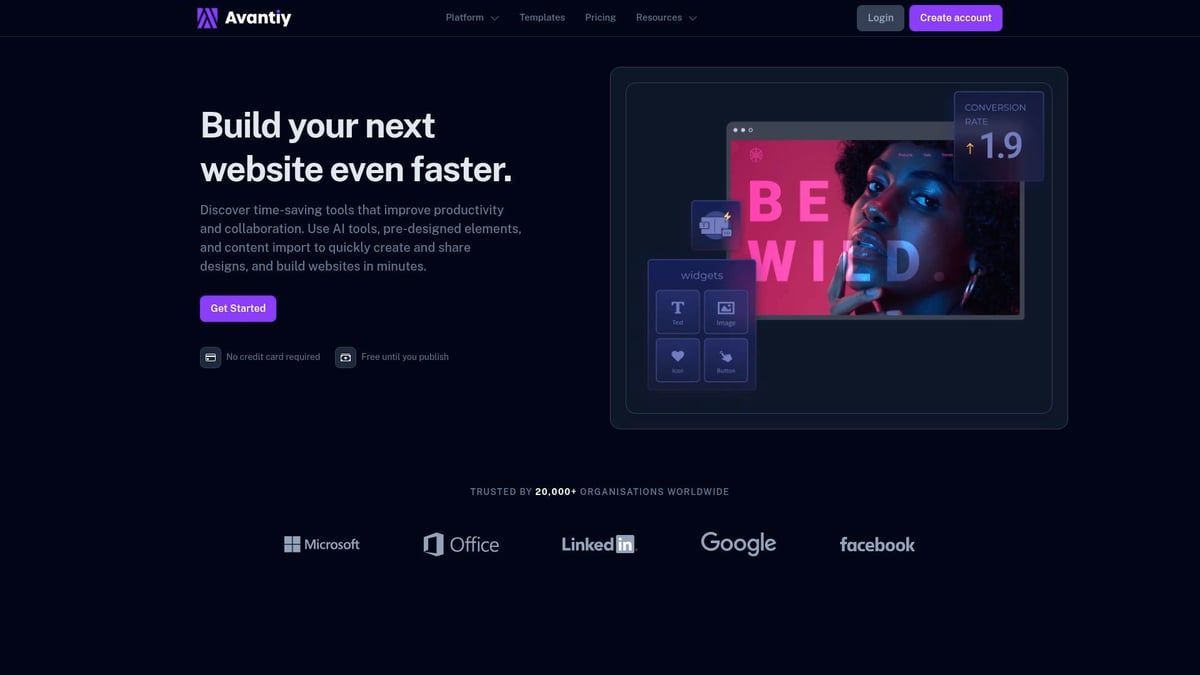
Avantiy is quickly becoming one of the best e commerce websites for small businesses and startups. Its all-in-one platform uses AI tools to simplify web design, streamline product management, and drive online sales.
Pricing:
Free until you publish your site, then transparent tiered plans. See the
Avantiy Pricing page for details.
Core Features:
- Drag and drop editor for easy site building
- Over 50 widgets and 400 integrations
- Dynamic pages, built-in SEO, full eCommerce suite
- Bookings, memberships, and digital products
- No storage or bandwidth limits, free SSL, AWS hosting
Key Benefits:
Avantiy offers rapid setup and AI-powered productivity, helping users create and manage their online shop without technical expertise. Its design tools let you build a visually appealing site, while advanced
E-commerce website features support bookings, memberships, and scalable growth.
Target Audience:
Perfect for small businesses, agencies, and non-technical users seeking the best e commerce websites with robust support.
Pros:
- Fast setup and publishing
- Scalable for growing brands
- Personalised expert support
Cons:
- Newer to the market, so fewer community resources
- Learning curve for advanced features
Example:
A UK artisan store uses Avantiy to launch an online shop and booking system within days, not weeks, gaining an edge in the competitive e-commerce space.
Shopify
Shopify remains a leader among the best e commerce websites, known for its scalability and strong support for global sales.

Pricing:
Starts from £19 to £259 per month, with a 3-day free trial and £1/month for the first 3 months.
Core Features:
- 200+ templates
- Robust inventory management
- Multichannel selling (social, marketplaces)
- App marketplace, analytics, international sales support
Key Benefits:
Shopify offers flexibility for both small and large businesses, making it one of the best e commerce websites for brands looking to scale. Its app ecosystem and dropshipping support are second to none.
Target Audience:
Best for SMEs, growing brands, and retailers expanding internationally.
Pros:
- Easy to use, intuitive dashboard
- Strong customer support
- Flexible integrations
Cons:
- Transaction fees unless using Shopify Payments
- Add-ons can increase overall costs
Example:
A fashion retailer expands into international markets with multilingual storefronts and seamless inventory management using Shopify.
Squarespace
Squarespace stands out among the best e commerce websites for creatives and boutique brands who value design.

Pricing:
From £12 to £79 per month. Offers a 14-day free trial and 10% off with code “SU10”.
Core Features:
- 150+ professionally designed templates
- Built-in eCommerce, blogging, memberships, scheduling
- Integrated SEO tools
Key Benefits:
Squarespace makes it easy to build visually stunning shops. Its simple branding tools and digital product support help small businesses create a strong online presence.
Target Audience:
Ideal for artists, designers, portfolio shops, and boutique brands seeking the best e commerce websites for visual impact.
Pros:
- Beautiful templates
- All-in-one platform
- No transaction fees on higher plans
Cons:
- Limited advanced eCommerce functionality
- Less suitable for large inventories
Example:
An independent artist sells prints and digital downloads with a subscription option, using Squarespace’s intuitive editor to grow their audience.
Hostinger
Hostinger is one of the best e commerce websites for startups and budget-conscious entrepreneurs.

Pricing:
£1.95–£2.45 per month, with a 7-day free trial and up to 81% off using code “STARTUPS”.
Core Features:
- AI-powered website builder
- 150+ templates
- No transaction fees
- Fast, reliable hosting
Key Benefits:
Hostinger offers the lowest entry price among the best e commerce websites. Its AI business support and unlimited product showcasing help users get started quickly without major investment.
Target Audience:
Startups, side hustlers, and anyone seeking affordable best e commerce websites.
Pros:
- Extremely affordable
- Simple setup process
- Speedy site performance
Cons:
- Less scalable for large inventories
- Limited advanced features
Example:
A startup launches an MVP online store, saving costs while testing their products in the UK market.
Wix
Wix is a powerhouse among the best e commerce websites, offering unmatched design flexibility and creative freedom.

Pricing:
£14.40–£107.10 per month (annual billing), with a 14-day free trial.
Core Features:
- Over 900 templates
- Drag and drop editor
- AI chatbot builder
- Multichannel sales, app marketplace
Key Benefits:
Wix lets users fully customise their online presence, making it one of the best e commerce websites for businesses that want flexibility. Its sales features and 24/7 support are ideal for SMEs and creators.
Target Audience:
Multi-purpose businesses, SMEs, and creators looking for versatile best e commerce websites.
Pros:
- Highly customisable
- Broad feature set
- Can sell on social channels
Cons:
- Steeper learning curve for advanced tools
- Transaction fees apply
Example:
A local bakery uses Wix to manage online orders, events, and digital gift cards, reaching more customers with ease.
BigCommerce
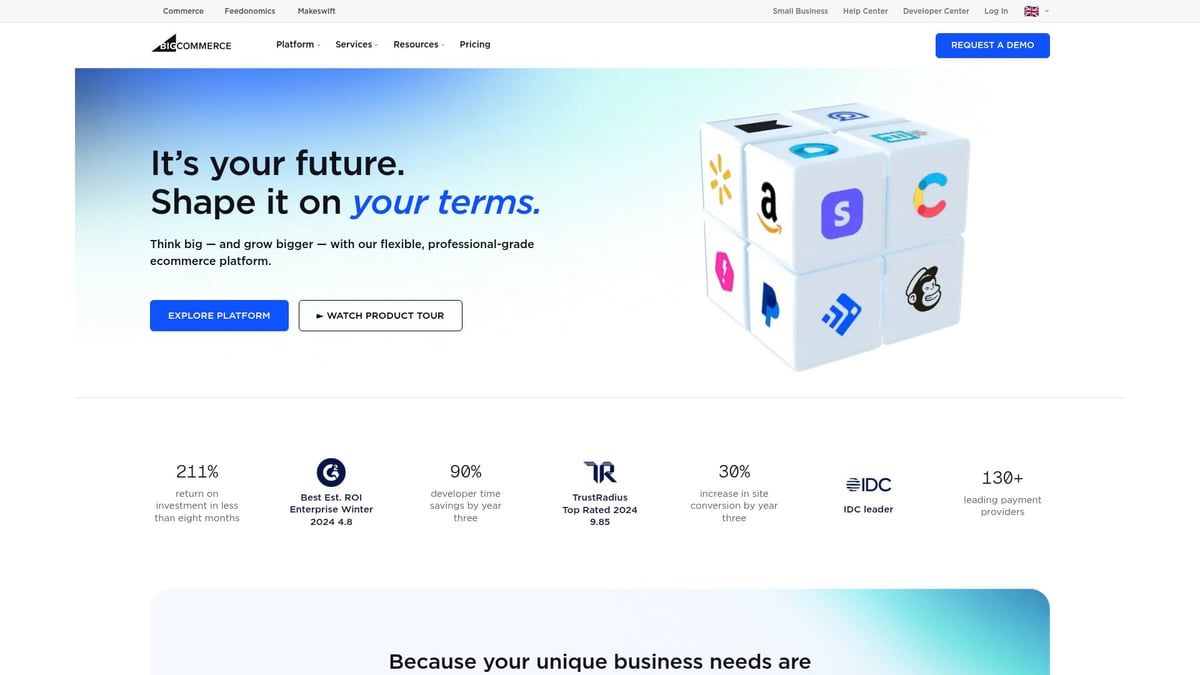
BigCommerce is a top choice among the best e commerce websites for businesses with large or complex product catalogues.
Pricing:
$29–$299 per month (approx. £22–£229), with a 15-day free trial.
Core Features:
- 200+ templates
- No transaction fees
- Advanced inventory and order management
- B2B tools, multi-currency support
Key Benefits:
BigCommerce handles high-growth brands and complex catalogues, making it one of the best e commerce websites for established businesses.
Target Audience:
Mid-sized to large businesses, B2B eCommerce, wholesalers.
Pros:
- Scalable and robust
- Strong SEO features
- No extra transaction fees
Cons:
- Higher price point
- Advanced features may be unnecessary for small shops
Example:
A UK electronics distributor expands into B2B and B2C markets, using BigCommerce’s custom pricing and inventory tools.
GoDaddy
GoDaddy earns its place among the best e commerce websites for quick, simple shops and local service providers.
Pricing:
£13.99 per month (introductory offer), with a free plan available.
Core Features:
- 150+ templates
- Integrated marketing tools
- Email and SEO add-ons
- Shipping and fulfilment options
Key Benefits:
GoDaddy combines eCommerce and marketing tools in a single dashboard, making it one of the best e commerce websites for basic stores and new entrepreneurs.
Target Audience:
Small businesses, new entrepreneurs, and local service providers looking for simple best e commerce websites.
Pros:
- Easy to set up
- Affordable for beginners
- All-in-one dashboard
Cons:
- Limited customisation
- Transaction fees on some plans
Example:
A local florist launches an online shop, adding appointment booking and email marketing to serve their community.
These seven platforms represent the best e commerce websites in 2026, each with distinct strengths to help UK businesses grow online.
How to Choose the Right E-Commerce Platform for Your Needs
Choosing among the best e commerce websites in 2026 can feel daunting, but breaking the process into clear steps makes it manageable. Let us guide you through practical considerations to ensure you select a platform that fits your current needs and future ambitions.
Assessing Your Business Goals and Growth Plans
Start by mapping out your vision. Are you selling physical goods, digital products, or offering bookings and memberships? The best e commerce websites will support your current range and adapt as you expand.
Think about your growth targets. If you plan to scale quickly or enter new markets, prioritise platforms offering robust scalability and flexible features. According to global e-commerce market projections, the sector is set for significant growth, so choosing a platform that can evolve with you is vital.
Evaluate your budget honestly, considering not just monthly fees but the full cost of ownership, including add-ons and transaction charges. By aligning your platform choice with your business roadmap, you set a strong foundation for success.
Comparing Features and Integrations
Not all platforms are created equal. When reviewing the best e commerce websites, make a list of essential features for your shop. Do you need advanced AI, built-in SEO, analytics, or seamless payment gateways?
Consider the breadth of integrations. Will you require marketing tools, inventory management, or third-party apps? Design flexibility is another key factor. Platforms like Avantiy offer a wide range of e-commerce templates and design options, making it easier to create a unique and professional storefront.
Weigh up which features are must-haves versus nice-to-haves, as this will help you avoid paying for unnecessary extras.
Evaluating Support and Resources
Reliable support can make all the difference, especially if you are new to e-commerce. The best e commerce websites provide multiple support channels, such as live chat, phone, and email, ensuring help is available when you need it.
Look for platforms with comprehensive learning resources, including tutorials, help centres, and community forums. If you are not technically inclined, prioritise those with dedicated onboarding and expert guidance. Quick, knowledgeable support can save time and prevent costly mistakes.
Real-World Examples and Case Studies
Learning from others' experiences is a smart move. Many UK small businesses have successfully launched and grown using the best e commerce websites, often starting small and scaling up as their needs evolve.
For instance, a local retailer might begin with a simple online shop, then add multichannel sales or bookings as demand grows. Others have switched platforms to access better features or support, learning valuable lessons along the way. These real-world stories highlight the importance of choosing a flexible, future-proof platform from the start.
E-Commerce Website Comparison Table
Choosing among the best e commerce websites in 2026 can be daunting, especially with so many features and pricing models on offer. To help UK businesses navigate the options, here’s a side-by-side analysis of the top 7 platforms, focusing on what truly matters: cost, design, integrations, support, and unique strengths.
Side-by-Side Feature and Pricing Analysis
Below is a comprehensive table comparing the best e commerce websites for UK entrepreneurs and small businesses:
| Platform | Pricing (monthly) | Free Trial | Templates | Transaction Fees | SEO Tools | AI Features | Integrations | Support/Uptime |
|---|---|---|---|---|---|---|---|---|
| Avantiy | Free until publish, then tiered | Yes | 50+ | None | Built-in, advanced (E-commerce SEO best practices) | Yes: AI design & productivity | 400+ | 24/7, AWS hosting |
| Shopify | £19–£259 | Yes | 200+ | Yes (unless using Shopify Payments) | Strong | Extensive | 8000+ apps | 24/7, high uptime |
| Squarespace | £12–£79 | Yes | 150+ | None on higher plans | Good | Limited | 30+ | Live chat/email |
| Hostinger | £1.95–£2.45 | Yes | 150+ | None | Decent | AI builder | Basic | 24/7 |
| Wix | £14.40–£107.10 | Yes | 900+ | Yes | Good | AI chatbot | 500+ | 24/7 |
| BigCommerce | £22–£229 | Yes | 200+ | None | Advanced | B2B AI tools | 1000+ | 99.99% uptime |
| GoDaddy | £13.99 | Yes | 150+ | On some plans | Basic | Limited | 60+ | 24/7 |
When weighing the best e commerce websites, consider not only the upfront cost but also long term value. Features like AI personalisation, advanced SEO (see E-commerce SEO best practices), and seamless integrations can make a significant difference in your online growth.
Key Takeaways and Platform Recommendations
For a fast launch and intuitive setup, Avantiy stands out as a smart all-in-one solution. Its AI powered builder and transparent pricing make it a top choice among the best e commerce websites, especially for UK startups and small businesses.
Wix and Squarespace offer maximum design flexibility, ideal for creative brands focused on visual storytelling. Shopify and BigCommerce excel for businesses needing robust inventory management, international sales, or complex catalogues.
If affordability is key, Hostinger delivers an unbeatable entry price. GoDaddy suits those seeking simplicity and bundled marketing tools for basic shops.
Looking to futureproof your shop? Mobile responsiveness is now essential, with mobile commerce statistics 2025 showing the majority of sales coming from smartphones. Platforms like Avantiy, Shopify, and Wix invest heavily in mobile optimised checkouts and fast page loads.
In summary, the best e commerce websites each have unique advantages. Assess your growth plans, design needs, and budget. For those prioritising AI, SEO, and scalability, Avantiy offers a compelling balance of innovation and support for 2026.
Now that you’ve seen what sets the leading e commerce platforms apart for 2026, it’s clear that finding the right fit can truly transform how you do business online. Whether you’re looking for intuitive design, AI-driven features, or seamless support, you deserve a solution that grows with you and makes your journey enjoyable. If you’re ready to take the next step and put these insights into action, you can explore professionally designed templates and start crafting your own standout site—no technical skills needed.
Get Started for Free