In 2026, a strong online presence is the backbone of success for every UK small business. Yet, with countless platforms available, choosing the best site builder for small business goals can feel overwhelming.
This guide simplifies your decision. We compare the top 7 site builders, focusing on features, pricing, pros, cons, and real-life UK examples. You will find practical advice on what matters most, how each platform stacks up, and which builder matches your ambitions.
Ready to discover the platform that will help your business thrive? Let’s begin.
What Makes a Great Site Builder for Small Businesses in 2026?
Selecting the best site builder for small business is crucial for online success in 2026. The right platform will offer the tools, flexibility, and support needed for growth and efficiency. To make a smart choice, it is important to focus on key features that drive real results for UK small businesses.
Essential Features for Modern Business Websites
Every best site builder for small business should include core features that address modern needs. Mobile responsiveness is vital, as most customers browse on their phones. Design flexibility ensures your site can reflect your brand, whether you use pre-built templates or customise layouts.
Built-in SEO and marketing tools help your business get found online. Fast, secure hosting and SSL certificates are non-negotiable for trust and performance. eCommerce and booking integration allow you to sell products or take appointments effortlessly. Increasingly, AI-powered assistants for content creation and design are game-changers. Platforms like Avantiy excel here, offering AI website builder features that speed up site launches and improve quality.
When evaluating the best site builder for small business, prioritise platforms that combine these essentials into one intuitive package.
Ease of Use and Support
Usability is a key differentiator when choosing the best site builder for small business. Drag-and-drop editors make it simple for anyone to build a professional website, while some platforms offer code-based customisation for those with technical skills.
Effective onboarding, easy-to-follow tutorials, and responsive customer support are invaluable. Many providers also offer community forums and access to expert help. Whether you are a total beginner or a seasoned entrepreneur, the right support can make all the difference.
Look for a site builder that shortens the learning curve and helps you get online quickly, with resources available whenever you need them.
Scalability and Integration
As your business grows, the best site builder for small business should scale with you. This means the ability to add new pages, products, or features without hassle. App marketplaces and third-party integrations, such as CRM, email marketing, or analytics, are essential for expanding your capabilities.
Multi-user collaboration tools are increasingly important, especially for teams or agencies. Working together should be seamless and secure, supporting your business as it evolves.
Choose a platform that not only meets your needs today but also supports your ambitions for tomorrow.
Value for Money and Transparent Pricing
Affordability and clarity are central when selecting the best site builder for small business. Transparent pricing, whether monthly or annual, helps you plan ahead. Look for free trials or freemium options to test features without risk.
Be alert for hidden costs, such as domain registration, premium add-ons, or transaction fees for eCommerce. Understanding the full picture will prevent surprises down the line.
The best value comes from platforms that balance powerful features with honest pricing, making them accessible for UK small businesses at any stage.
Top 7 Best Site Builders for Small Business in 2026
Selecting the best site builder for small business is crucial to your online success in 2026. Below, explore seven leading platforms, each offering unique strengths for UK entrepreneurs. Compare features, pricing, and real-world examples to help you decide which builder aligns with your goals.
Avantiy
Avantiy is rapidly emerging as a top choice for those searching for the best site builder for small business. Its approach is refreshingly simple: build your website for free and pay only when you publish, with no credit card required. This pay-on-launch model is ideal for startups and growing UK businesses wary of upfront commitments.
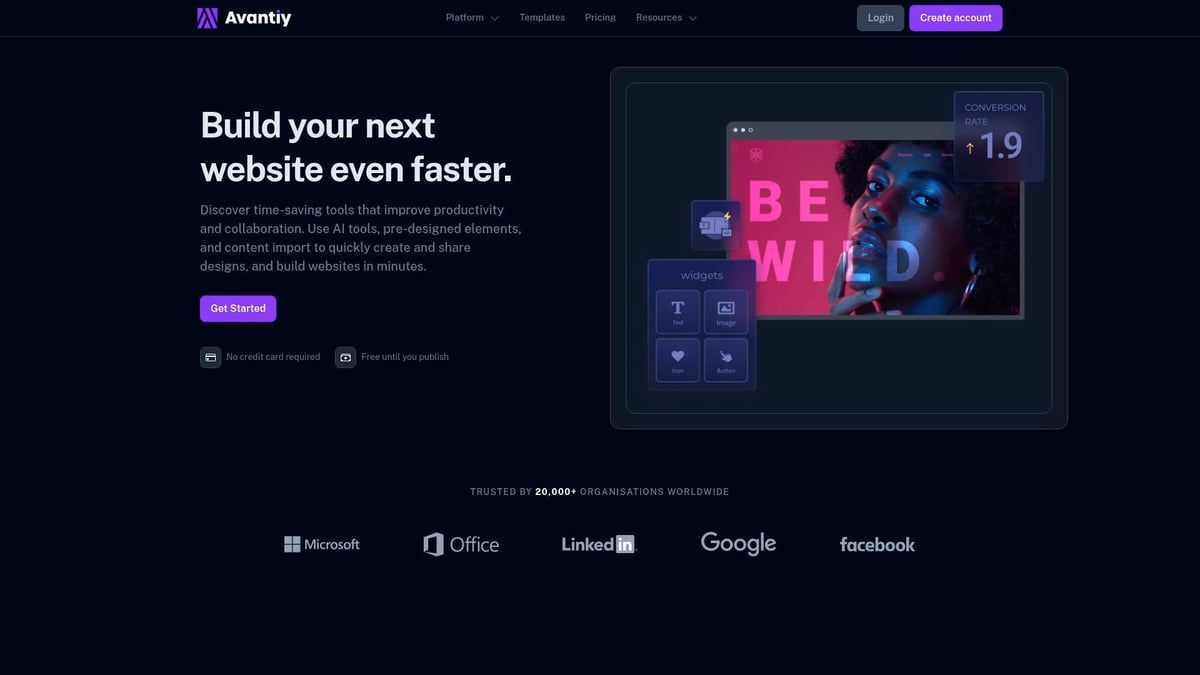
Avantiy’s standout features include AI-powered design and content tools, a drag-and-drop editor, customisable templates, and robust built-in SEO. Its small business eCommerce solutions make selling products or services straightforward, with options for bookings and memberships. Over 400 integrations allow seamless connection to popular tools.
Key benefits:
- Launch a polished website in hours, not weeks.
- Dynamic pages and collections for fast scaling.
- Industry-leading performance with no storage or bandwidth limits.
- Personalised support and fast onboarding.
Avantiy is ideal for startups, agencies, and creators seeking flexibility, speed, and scalability. The platform’s main drawback is its relative newness, meaning some integrations are still being rolled out.
Example: A local retailer used Avantiy to launch an online shop and booking system over one weekend, increasing online sales and customer engagement. For UK small businesses wanting an all-in-one, AI-driven solution, Avantiy is a compelling contender for the best site builder for small business.
Duda
Duda is a powerful contender for the best site builder for small business, especially for agencies and professionals managing multiple client sites. Pricing starts from £11 per month (annual), with tailored plans for teams and agencies.
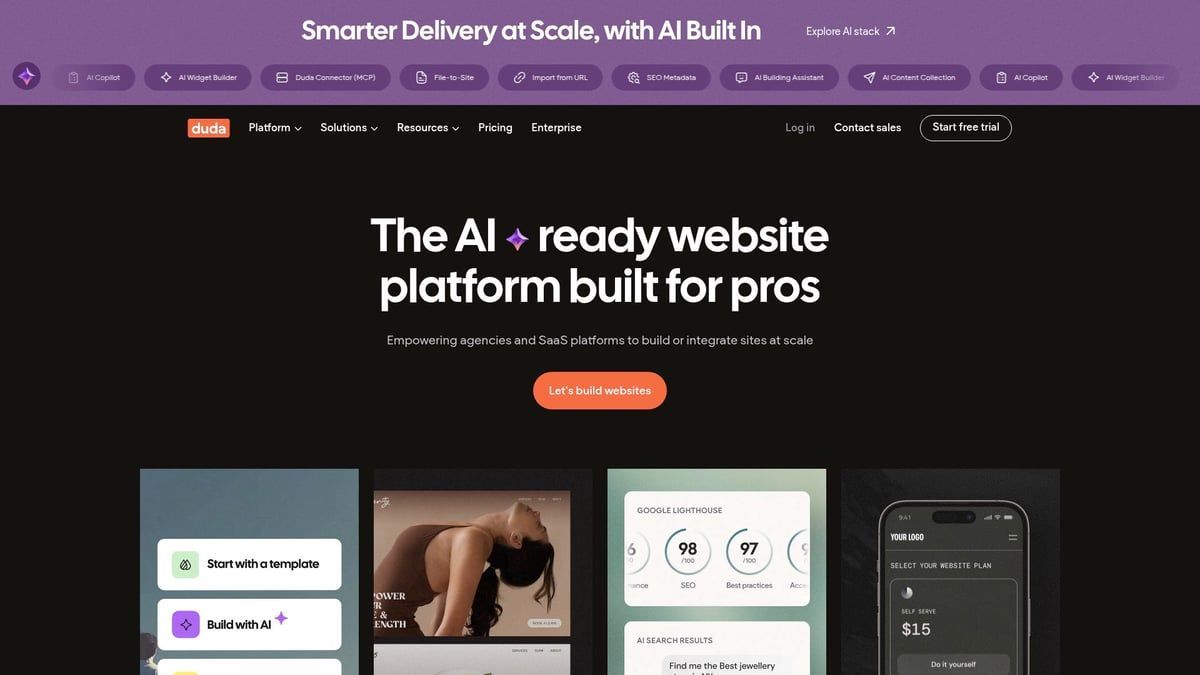
Core features include white-label tools, responsive templates, a widget builder, and advanced team collaboration. Duda’s client management dashboard saves time for agencies juggling several accounts.
Unique benefits:
- Designed for agencies and web professionals.
- Multi-site management with shared assets and branding.
- Extensive customisation and robust collaboration options.
Duda suits businesses needing scalability and professional features. However, its learning curve can be steep for beginners, and advanced features come at a higher price point.
Example: A digital agency in Manchester used Duda to build and manage over 10 client websites, sharing assets and maintaining consistent branding across projects. If you’re running an agency or need multi-site management, Duda stands out as one of the best site builder for small business solutions.
Squarespace
Squarespace is often recommended as the best site builder for small business owners in creative fields. With pricing from £12 per month (annual) and a 14-day free trial, it’s accessible for most budgets.
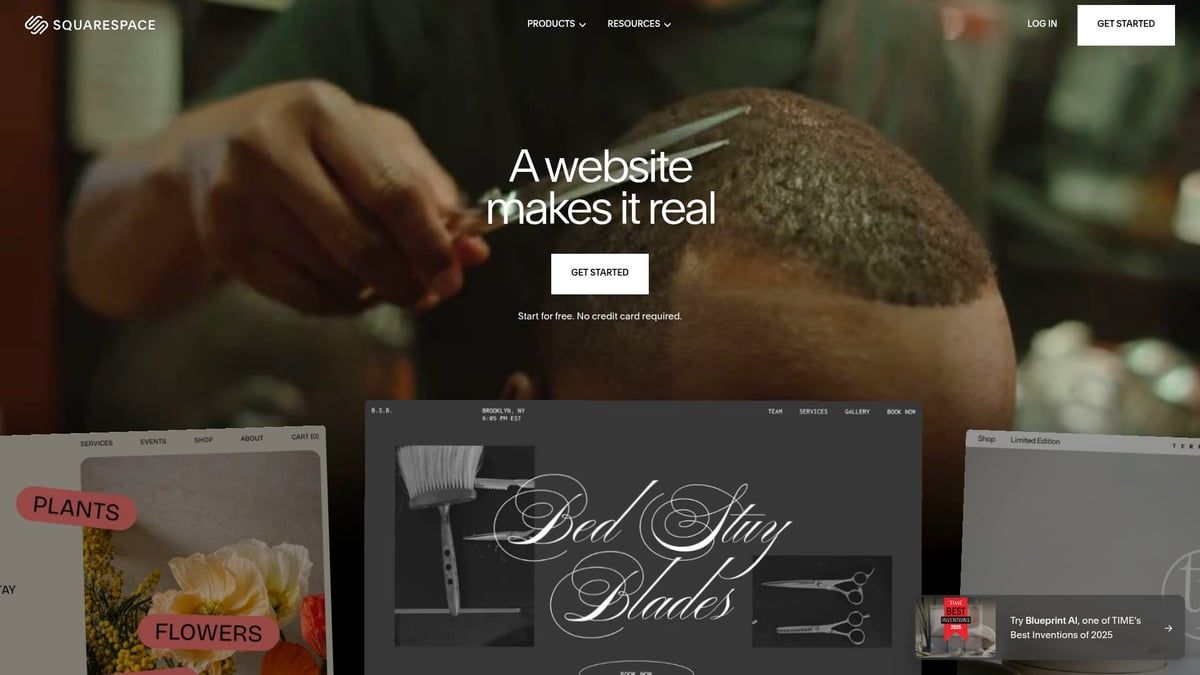
Award-winning templates are Squarespace’s hallmark, supporting built-in eCommerce, blogging, scheduling, and analytics. The platform is ideal for designers, photographers, and service providers who need a visually impressive online presence.
Key strengths:
- Stunning, modern templates.
- Intuitive editor suitable for beginners.
- Reliable all-in-one platform with hosting and SSL included.
Squarespace offers limited third-party integrations and less flexibility for advanced eCommerce compared to some rivals. Still, for portfolios and service businesses, it’s an excellent choice.
Example: A creative studio in Bristol used Squarespace to showcase its portfolio and sell digital downloads, attracting new clients and streamlining sales. For those prioritising design, Squarespace remains a top option in the best site builder for small business category.
Shopify
Shopify is widely known as the best site builder for small business retailers and growing eCommerce brands. Starting at £19 per month (annual), with a £1/month introductory offer for the first three months, Shopify is built for serious online sales.

Core features include a robust eCommerce engine, POS integration, multi-channel sales, abandoned cart recovery, and a massive app store. Shopify excels in scalability, supporting businesses from local startups to national brands.
Highlights:
- Advanced sales and inventory features.
- Strong support and extensive documentation.
- Seamless integration with payment gateways and logistics.
However, transaction fees and app costs can add up, especially for expanding businesses.
Example: An independent fashion brand in Leeds grew from local sales to national reach using Shopify’s powerful eCommerce tools. For UK businesses focused on online retail, Shopify consistently ranks as a best site builder for small business.
Wix
Wix is a top pick for those who want the best site builder for small business that is both user-friendly and flexible. With plans from £9 per month and a free option, Wix offers affordability and accessibility.
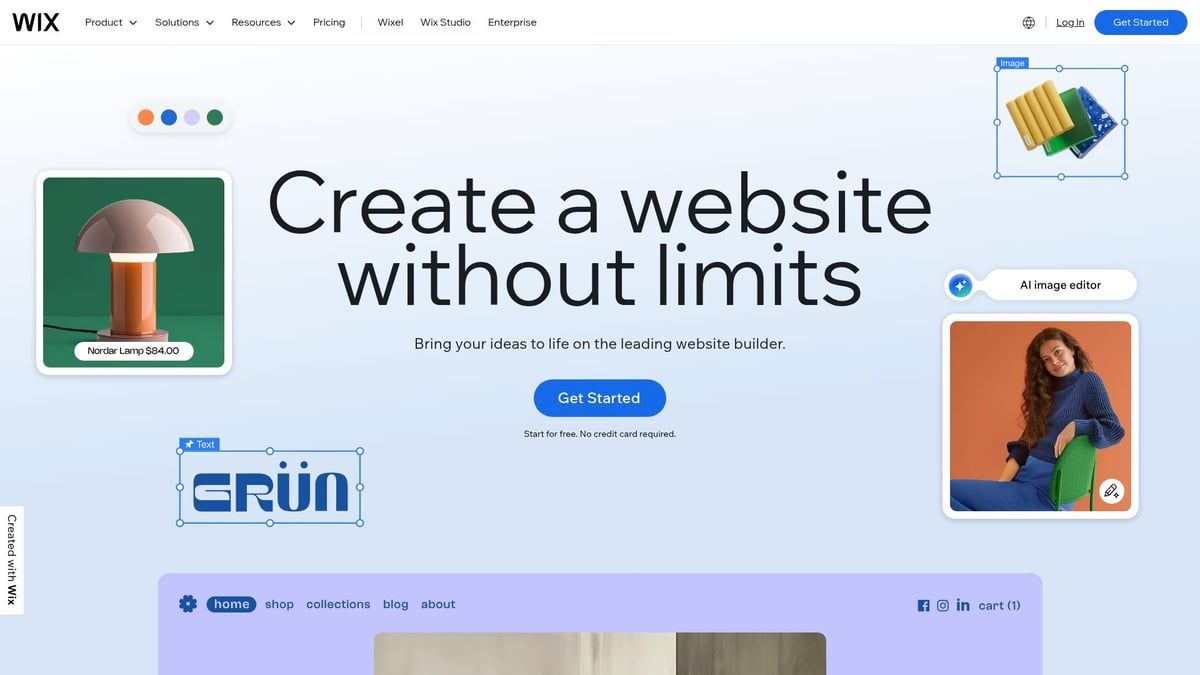
Wix boasts over 900 templates, an intuitive drag-and-drop editor, AI site generator, and a comprehensive app marketplace. It supports bookings, eCommerce, and blogs, making it suitable for nearly any business type.
Wix’s advantages:
- Quick setup for beginners.
- Huge template library for every industry.
- Flexible design and feature options.
Some advanced features are only available on premium plans, and the interface can feel cluttered to some users.
Example: A fitness coach in Birmingham launched a booking site and blog in a single day, using Wix’s AI tools to get online fast. For ease of use and versatility, Wix is a prime candidate for the best site builder for small business.
Hostinger Website Builder
Hostinger Website Builder is favoured by budget-conscious UK startups seeking the best site builder for small business. Prices start at £2.99 per month (annual), with significant discounts for long-term plans.
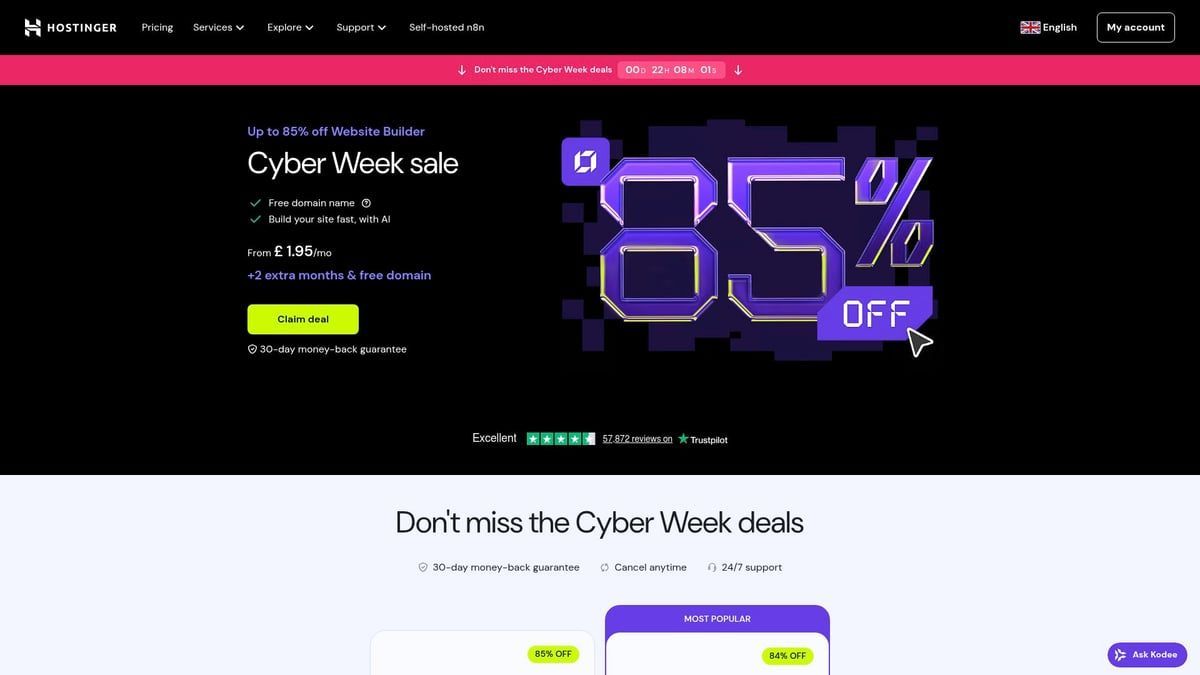
The builder includes an AI-powered editor, 150+ templates, eCommerce capabilities, and free domain and SSL. Hostinger’s focus is on rapid, affordable site creation with built-in marketing tools.
Benefits:
- Fast, AI-driven setup.
- Excellent value for money.
- Simple, modern templates and hosting included.
Hostinger offers fewer integrations and advanced features than premium competitors, but it’s ideal for microbusinesses and DIY entrepreneurs.
Example: A local tradesperson in Glasgow built a professional website and started taking online enquiries within a day. Hostinger is a strong choice for anyone seeking the best site builder for small business without breaking the bank.
GoDaddy Website Builder
GoDaddy Website Builder is designed for total beginners who want the best site builder for small business with minimal fuss. Pricing begins at £8.99 per month (annual), and a free trial is available.
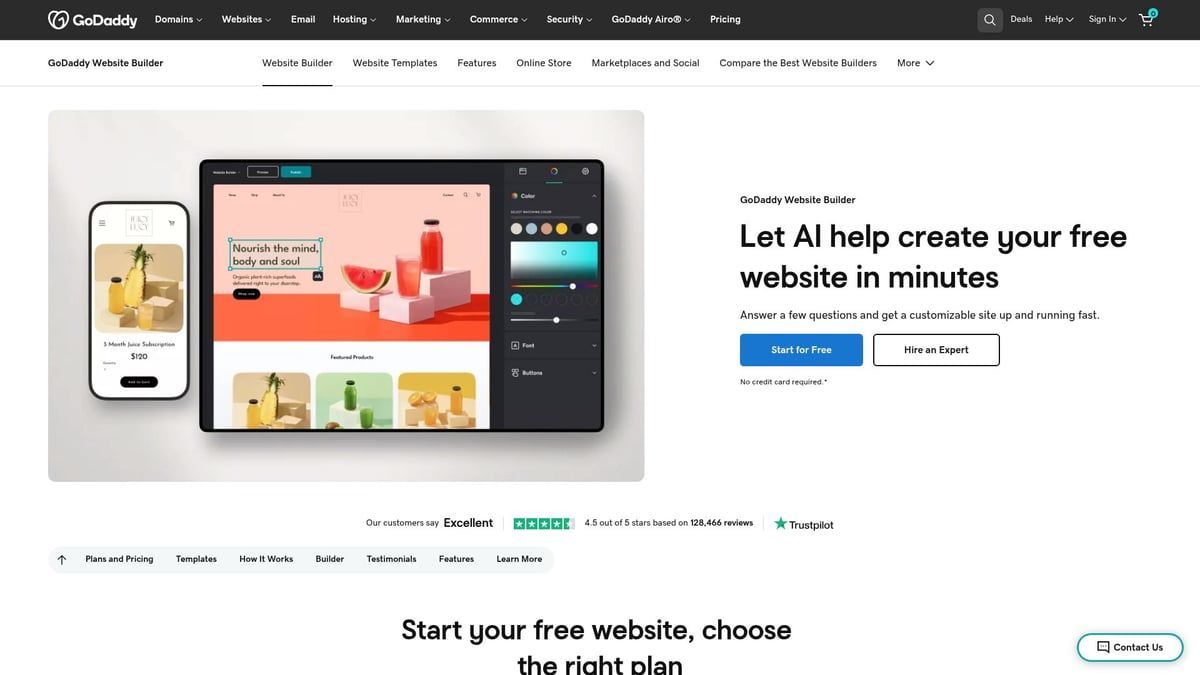
GoDaddy offers quick-start templates, a built-in marketing suite, appointment booking, eCommerce, and bundled domains and email. 24/7 support ensures help is always at hand.
GoDaddy’s key points:
- Easiest onboarding for non-tech users.
- All-in-one packages with domains and email.
- Reliable customer support round the clock.
Design flexibility is limited, and eCommerce features are basic compared to specialist platforms.
Example: A mobile hairdresser in London used GoDaddy to set up a booking site and manage her calendar online, freeing up time and boosting bookings. For local services and microbusinesses, GoDaddy remains a practical solution in the best site builder for small business market.
Comparing the Top Site Builders: Features, Pricing & Use Cases
Choosing the best site builder for small business can feel overwhelming, especially with so many options in 2026. To make things easier, here is a direct comparison of the leading platforms, showing how they stack up on features, value, and real-world benefits for UK small businesses.
Side-by-Side Comparison Table
When selecting the best site builder for small business, it is crucial to compare features, cost, and support. The table below highlights the essentials:
| Platform | Starting Price | Templates | eCommerce | AI Tools | Support | Unique Benefit |
|---|---|---|---|---|---|---|
| Avantiy | Free to build | 120+ | Yes | Advanced | Personalised | Fast AI launches, 400+ apps |
| Duda | £11/month | 100+ | Yes | Widgets | Agency-level | Multi-site management |
| Squarespace | £12/month | 80+ | Yes | Basic | 24/7 chat | Award-winning designs |
| Shopify | £19/month | 100+ | Advanced | Limited | 24/7 support | Best for eCommerce scale |
| Wix | £9/month | 900+ | Yes | AI Gen | Extensive | Huge template library |
| Hostinger | £2.99/month | 150+ | Yes | Rapid AI | Email/chat | Best value, fast setup |
| GoDaddy | £8.99/month | 100+ | Yes | Smart AI | 24/7 phone | Quickest for beginners |
This snapshot helps you weigh which platform could be the best site builder for small business, depending on your needs and budget.
Best Fit for Different Business Types
Not all businesses have the same requirements. Here is how the top choices align with different needs:
- Retail/eCommerce: Shopify, Avantiy, Wix
- Service/Booking: Avantiy, GoDaddy, Squarespace
- Creative/Portfolio: Squarespace, Wix, Duda
- Agencies/Multi-site: Duda, Avantiy
Choosing the best site builder for small business means matching your model to the platform that excels in your sector. For example, Avantiy stands out for both eCommerce and service businesses, while Shopify is the leader for larger online shops.
Key Trends for 2026: AI & Automation
The landscape in 2026 is shaped by AI-driven platforms that make launching and managing sites faster and smarter. AI tools now automate design, content creation, and SEO, helping businesses get online with minimal effort. Platforms like Avantiy, Wix, and Hostinger lead in this area, offering advanced AI assistants.
To learn more, see this overview of AI-powered website builders in 2026, which explores how automation is transforming the best site builder for small business. These trends also mean more competition, better pricing, and more sophisticated features for UK entrepreneurs.
Real-World Success Stories
Across the UK, small businesses are seeing faster launch times and real growth by choosing the right platform. For example, a local retailer used Avantiy to launch an online shop and booking system in just one weekend, while a creative agency built multiple client sites with Duda’s collaboration tools.
Recent data shows that websites built with AI tools can launch up to 50 percent faster, giving early adopters a clear advantage. When considering the best site builder for small business, look for platforms with proven UK case studies and robust community support.
How to Choose the Right Site Builder for Your Small Business
Choosing the best site builder for small business success in 2026 starts with knowing what you really need. With so many options on the market, it pays to take a structured approach. Below, you will find practical steps to guide your decision, helping you select a platform that grows with your ambitions.
Assessing Your Business Goals and Needs
Before you can pick the best site builder for small business use, clarify your main objectives. Are you launching an online shop, promoting services, taking bookings, or building a portfolio? Make a list of must-have features, such as eCommerce, appointment scheduling, or blog capabilities.
Consider your short-term and long-term growth plans. Will you need to add more products, pages, or team members in future? Platforms like Avantiy make it easy to scale up, thanks to flexible design and built-in tools. If design is a priority, explore customisable website templates to ensure your site matches your brand identity.
Evaluating Features vs. Budget
Every small business must balance features with affordability. Compare what each site builder includes at different price points. Look for essentials such as mobile responsiveness, secure hosting, and built-in SEO. For example, Avantiy offers built-in SEO for small business, saving you time and money on additional plugins.
Check for transparent pricing, free trials, and any extra costs like domains or transaction fees. A simple table can help:
| Platform | Starting Price | Key Features | Free Trial |
|---|---|---|---|
| Avantiy | Free to build | AI, SEO, eCommerce | Yes |
| Wix | £9/month | Templates, AI, App Market | Yes |
| Shopify | £19/month | eCommerce, POS | Yes |
Matching features to your budget ensures you get the best site builder for small business without overspending.
Testing and Trialling Platforms
Never commit to a site builder without testing it first. Use free trials or demos to explore the interface, templates, and support. Try building a basic page to check ease of use. Is the editor intuitive? Are tutorials and onboarding guides available?
Pay attention to customer support quality and response times. Reach out with a question to see how quickly you get help. Community forums and expert resources can be invaluable as your business grows.
Planning for the Future
Think beyond your first website launch. The best site builder for small business will support you as you expand, whether that means adding new features, integrating with other tools, or collaborating with a team.
Check for regular updates and a roadmap of new features. Does the platform offer integrations with CRM, email marketing, or analytics? Avantiy, for instance, is designed to adapt to your changing needs, making future upgrades seamless. Prioritise a builder that evolves alongside your business, so you never outgrow your online presence.
Now that you have a clear understanding of what makes a great site builder and how platforms like Avantiy can transform your online presence, it is the perfect time to take that next step for your business. Imagine launching a professional website, online shop, or booking system in just hours, all without needing technical expertise. With the right tools and support, you can create a site that grows alongside your ambitions and attracts more customers in 2026 and beyond. Ready to see how easy it can be to bring your business online?
Get Started for Free