Ecommerce Website Development Cost Guide for 2025
By Pietro Saman • November 27, 2025
The ecommerce website development cost in 2025 may surprise even experienced UK business owners. With prices ranging widely and new technologies emerging, budgeting accurately can feel overwhelming.
This guide is designed to break down the real costs, highlight key factors, and compare popular platforms. Whether you are a start-up or scaling an established brand, understanding these expenses is vital.
By the end, you will gain clear, actionable insights to help you avoid hidden pitfalls and confidently plan your ecommerce website investment for the year ahead.
Understanding Ecommerce Website Development Costs in 2025
Embarking on a new ecommerce website in 2025 requires careful budgeting and awareness of all potential expenses. Understanding the true ecommerce website development cost helps UK businesses plan with confidence and avoid unpleasant surprises.

Key Cost Drivers
The ecommerce website development cost in 2025 depends on several core factors. Complexity is a primary driver. A simple site with a small product catalogue and basic features will cost far less than a large, bespoke store with advanced integrations.
Platform choice matters, too. SaaS options like Shopify or Avantiy typically have lower upfront costs, while open-source or custom builds require more investment. Design customisation, whether using templates or bespoke layouts, also influences pricing. Third-party integrations, such as payment gateways, ERPs, or CRMs, add to the cost.
Security is non-negotiable. SSL certificates and PCI compliance are essential, especially for UK businesses handling online payments. Finally, ongoing support, maintenance, and updates must be accounted for to ensure long-term success.
Market Trends & Cost Ranges
The UK market in 2025 shows a wide range for ecommerce website development cost. For most businesses, expect to invest anywhere from £8,000 for a basic setup, up to £200,000 or more for large or highly customised platforms.
SaaS solutions offer predictable monthly fees, while traditional builds lean towards higher upfront development costs. Ongoing expenses, such as hosting, maintenance, marketing, and SEO, can add significantly to the annual budget.
For a small retailer, the total initial cost may be closer to the lower end, while enterprise-level sites with complex needs reach the higher range. For a detailed breakdown and competitor data, see the Ecommerce Website Development Costs in the UK (2025 Edition).
Essential Features Impacting Cost
When assessing your ecommerce website development cost, consider the features your business needs. Every site should offer robust product management, a secure checkout, and full mobile responsiveness.
SEO tools, analytics, and reporting are vital for driving growth. Marketing integrations, such as email, social media, and retargeting, help convert visitors into customers. Custom functionalities, including multi-language, multi-currency, and advanced search options, can increase both cost and value.
Avantiy and similar all-in-one platforms often include many essentials, reducing the need for costly add-ons. However, more complex or unique requirements will push up development time and budget.
Hidden and Ongoing Expenses
Many businesses underestimate the hidden aspects of ecommerce website development cost. Content creation and migration, such as transferring products and images, is time-intensive and often overlooked.
Licensing fees for plugins or apps can add up, especially on open-source platforms. Payment processing and transaction fees must be factored into ongoing running costs. Regular site improvements, scalability planning, and periodic upgrades are also essential for staying competitive.
By planning for these hidden expenses, you avoid budget shortfalls and ensure a smoother launch and growth phase.
Cost-Saving Tips for 2025
Savvy businesses can reduce their ecommerce website development cost with a few strategic moves. All-in-one platforms, like Avantiy, help cut integration costs by bundling key features and support.
Leveraging AI tools for content creation, product recommendations, and design efficiency saves both time and money. Choosing scalable solutions prevents the need for costly rebuilds as your business grows.
Prioritise must-have features over nice-to-haves. Focus your initial investment on elements that drive sales, such as SEO, user experience, and secure payments, and add extras as your business expands.
Comparing Ecommerce Platforms: Costs & Value
Selecting the right platform for your online shop is a key factor in managing your ecommerce website development cost. Each option offers a unique balance of upfront expense, ongoing fees, flexibility, and scalability. Here, we break down the leading choices for UK businesses in 2025, so you can find the best fit for your needs and budget.
SaaS Platforms: Shopify, Wix, Squarespace, Avantiy & More
Software as a Service (SaaS) platforms such as Shopify, Wix, Squarespace, and Avantiy are popular for UK businesses in 2025. These solutions offer monthly or annual subscriptions, with costs typically starting from £25 to £250 per month. Pricing includes hosting, security, and essential ecommerce features, helping to control your ecommerce website development cost.
Most SaaS platforms provide a range of built-in features, but advanced capabilities like multi-currency, AI content generation, or advanced SEO may require paid add-ons. For example, Shopify Basic suits small retailers, though costs can rise with plugins and transaction fees. Wix eCommerce is beginner-friendly but has fewer advanced tools. Avantiy stands out by including AI-powered content, built-in SEO, and a drag-and-drop editor, all in one package.
Here's a quick comparison:
| Platform | Monthly Cost | Key Features Included | Notable Extras |
|---|---|---|---|
| Shopify | £25–£299 | Hosting, templates, payments | Apps, transaction fees |
| Wix | £20–£44 | Templates, basic shop features | Advanced ecommerce tools |
| Squarespace | £25–£55 | Design, marketing | Limited integrations |
| Avantiy | £39–£199 | AI content, SEO, payments, support | All-in-one, no coding |
For a more detailed breakdown of features and costs, see this Ecommerce Website Solutions Overview.
Open-Source & Self-Hosted Solutions: WooCommerce, Magento
Open-source platforms like WooCommerce and Magento offer more flexibility but increase your ecommerce website development cost due to development, hosting, and maintenance responsibilities. While WooCommerce is free to install, you’ll need to pay for hosting (from £10/month), premium plugins, and security. Magento is powerful for large catalogues but requires technical expertise and higher server costs.
These platforms suit businesses wanting deep customisation and control. However, ongoing costs and technical upkeep can quickly add up, especially as your business grows and your needs become more complex.
Custom-Built Ecommerce Websites
A custom-built ecommerce website is ideal when you need unique features, specific workflows, or a highly branded customer experience. In 2025, UK agency or freelancer rates for custom development typically range from £80 to £180 per hour. Overall project costs can start at £30,000 and easily exceed £200,000 for enterprise-level builds.
The main advantage is total flexibility, but the ecommerce website development cost is significantly higher. Timelines are also longer, and ongoing support is essential for updates, security, and scalability.
Real-World Cost Comparisons
Let’s compare how ecommerce website development cost varies by approach:
| Business Size | SaaS (e.g. Avantiy) | Open-Source (WooCommerce) | Custom Solution |
|---|---|---|---|
| Small Retailer | £1,500–£4,000/year | £3,000–£8,000/year | £30,000+ upfront |
| Mid-Size Business | £5,000–£15,000/year | £10,000–£30,000/year | £80,000+ upfront |
| Enterprise | £20,000+/year | £40,000+/year | £200,000+ upfront |
A small retailer using SaaS can launch rapidly with low upfront costs. In contrast, enterprises often invest in custom platforms for maximum control, but must budget for ongoing support and compliance.
Choosing the Right Platform for Your Budget
When planning your ecommerce website development cost, consider your business size, growth ambitions, and technical skills. SaaS platforms are ideal for most small to mid-size UK businesses, offering fast setup, predictable costs, and built-in support.
Scalability is crucial. If you anticipate rapid growth, choose a platform that evolves with you. For SMEs, all-in-one solutions like Avantiy bridge the gap by providing advanced features without the complexity or high costs of custom builds.
Evaluate the total cost of ownership, including transaction fees, app/plugin expenses, and required support. A platform that fits your needs now and adapts as you grow will save time and money in the long run.
Avantiy: An All-in-One AI Ecommerce Solution
Avantiy is designed for UK businesses seeking a cost-effective, future-proof ecommerce solution. No coding is needed, thanks to a drag-and-drop editor and customisable templates. Your ecommerce website development cost is streamlined, as Avantiy includes secure payments, fast hosting, built-in SEO, and AI-powered content generation.
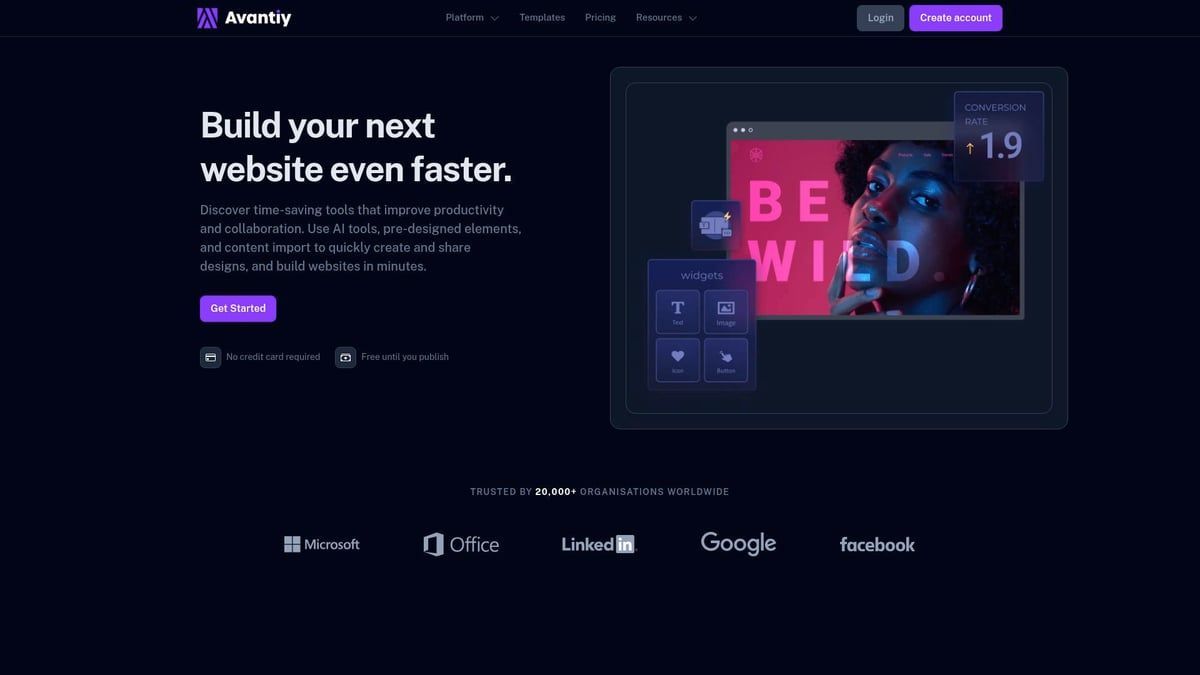
Personalised onboarding and expert support help you launch and scale quickly. Compared to Shopify, Wix, and Squarespace, Avantiy offers more features in one package, reducing reliance on costly add-ons. For SMEs wanting to minimise development headaches and maximise value, Avantiy is a smart choice.
Detailed Breakdown: Key Components of Ecommerce Website Costs
Understanding the true ecommerce website development cost requires breaking down each key component. Every stage, from securing your domain to ensuring legal compliance, carries distinct costs and considerations. This section explores the essentials, helping UK businesses budget with clarity and confidence.

Domain Name and Hosting
Your domain is your digital address. Registering a .co.uk or .com domain typically costs £10 to £50 per year. Premium names can cost much more, so factor this into your ecommerce website development cost from the outset.
Hosting is equally vital. Shared hosting is affordable but may not meet performance needs as you grow. VPS or cloud hosting offers better speed and scalability, starting from £20 per month. Many SaaS solutions like Avantiy or Shopify include hosting, simplifying budgeting and support. Always align hosting choices with traffic expectations to avoid surprise costs.
Design and User Experience
Design shapes your brand’s first impression. Template-based designs are cost-effective, sometimes included in SaaS platforms, but may limit uniqueness. Bespoke design, fully customised for your business, can range from £2,000 to £20,000 or more, depending on complexity and agency rates.
In 2025, mobile responsiveness and accessibility are non-negotiable, directly impacting your ecommerce website development cost. Investing in a seamless, accessible design boosts conversions and builds trust. Consider balancing initial spend with future-proofing through scalable, modular design choices.
Core Development & CMS
The heart of your site is the core development and content management system. SaaS platforms like Avantiy, Shopify, or Wix offer built-in CMS and streamlined setup, often included in monthly fees. Open-source options, such as WooCommerce, require installation, configuration, and ongoing technical support.
Custom development adds flexibility but increases your ecommerce website development cost, often requiring experienced developers or agencies. For transparent pricing structures, see the Ecommerce Website Pricing Details page. Always weigh upfront costs against ongoing expenses and ease of use when selecting your CMS.
Essential Ecommerce Features
Must-have features significantly affect your ecommerce website development cost. These include:
- Product catalogue management
- Secure checkout processes
- Inventory tracking and updates
- Payment gateways (Stripe, PayPal, Klarna)
Marketing tools, like abandoned cart recovery and discount codes, are essential for sales growth. Platforms differ in which features are included. For example, Avantiy bundles many advanced tools, while others may require paid add-ons. Prioritise features that directly support your sales and customer experience.
Integrations and Add-ons
Efficient ecommerce relies on seamless integrations. Connecting to ERPs, CRMs, shipping providers, or marketing platforms adds to your ecommerce website development cost, especially for custom or enterprise setups.
Third-party plugins and apps can range from free to hundreds per month. Small businesses often start with core integrations, while larger operations require more complex setups. Always research compatibility and ongoing subscription fees before committing, and consider all-in-one solutions to reduce integration complexity and cost.
Security, Compliance, and Legal
Security is critical for trust and legal compliance. SSL certificates cost £50 to £200 annually, and are mandatory for secure transactions. PCI DSS compliance is essential to safely handle payments, and GDPR requirements must be met to protect customer data.
Regular security audits and updates are part of your ongoing ecommerce website development cost. Some platforms, like Avantiy, include security features and compliance support, reducing your risk and workload. Investing in robust security from the start protects your reputation and keeps your business legally compliant.
Ongoing Costs: Maintenance, SEO, and Marketing
Running an ecommerce website is never a one-off expense. Ongoing costs can quickly add up, impacting your overall ecommerce website development cost well beyond launch. Understanding these recurring investments is essential for long-term success and sustainable growth.

Maintenance and Support
Every ecommerce website demands ongoing maintenance to stay secure and reliable. Regular updates, bug fixes, and security patches are non-negotiable.
You can choose in-house management or outsource to a specialist, each affecting your ecommerce website development cost. In-house support offers control, but outsourced agencies often provide faster response times and expertise.
Annual maintenance costs vary by platform:
- SaaS (Shopify, Avantiy): £500–£2,000
- Open-source (WooCommerce): £1,000–£5,000
- Custom builds: £2,000–£10,000+
Budgeting for support ensures your site stays fast, secure, and compliant as your business evolves.
SEO and Content Marketing
SEO and content marketing are ongoing investments that directly influence traffic and sales. The ecommerce website development cost should always factor in regular SEO audits, keyword research, and fresh content.
You can use built-in SEO tools, such as those offered by Avantiy or other platforms, to streamline updates and reduce reliance on costly specialists. Solutions with integrated features, like Built-in SEO Tools for Ecommerce, can significantly lower ongoing expenses.
Consistent optimisation is key to maintaining visibility and outperforming competitors in the UK ecommerce market.
Paid Advertising and Digital Marketing
Digital marketing is a core driver of ecommerce growth, but it comes with its own share of ongoing costs. When planning your ecommerce website development cost, consider your budget for Google Ads, Facebook and Instagram campaigns, and retargeting.
Most UK ecommerce businesses spend £500–£5,000 monthly on digital ads, with additional costs for email marketing platforms and automation tools.
Platforms like Avantiy often include built-in marketing tools, which can help streamline your campaigns and reduce third-party spend.
Analytics and Conversion Optimisation
Understanding your customers and improving conversion rates requires robust analytics and CRO tools. These ongoing investments should be included in your ecommerce website development cost.
Essential tools:
- Google Analytics (free/paid)
- Heatmapping tools (e.g., Hotjar)
- A/B testing platforms
Even small improvements in conversion rates can deliver significant revenue gains. Regular analysis and testing help you make data-driven decisions for continued growth.
Scaling Up: Preparing for Growth
As your business grows, so will the ongoing ecommerce website development cost. Upgrading hosting, adding new features, and integrating advanced systems are all part of scaling up.
Budget for:
- Enhanced hosting for higher traffic
- New payment and shipping integrations
- Multi-language and multi-currency support for international expansion
Choosing a scalable platform like Avantiy ensures your site can adapt to changing demands without costly rebuilds. Planning for future needs keeps your ecommerce investment on track and your business competitive.
Step-by-Step Guide: Planning Your Ecommerce Website Budget in 2025
Planning your ecommerce website development cost in 2025 is crucial for long-term business success. With evolving technology and rising competition, UK businesses must budget smartly to stay ahead. This guide breaks down the process into five practical steps, ensuring you cover all essential areas, avoid hidden expenses, and choose the right solutions for your needs.
Step 1: Define Your Business Goals and Requirements
Start by clarifying your objectives and what you want your ecommerce site to achieve. This step impacts your ecommerce website development cost from the outset.
- Identify your product range and number of SKUs.
- Define your target audience and key sales channels.
- List must-have features, such as payment gateways, inventory tracking, or multi-language support.
- Separate essential requirements from optional extras to avoid overspending.
Being clear on your goals helps you focus resources on what matters most for your business, keeping costs transparent and manageable.
Step 2: Choose the Right Platform and Approach
Selecting the right platform is a major driver of your ecommerce website development cost. Compare SaaS solutions like Avantiy, Shopify, or Wix, open-source options such as WooCommerce, or bespoke development.
- Assess platform scalability and future-proofing.
- Consider ease of use, admin tools, and available integrations.
- Calculate the total cost of ownership, including setup, monthly fees, and add-ons.
- Factor in your technical expertise and team capacity.
Platforms like Avantiy offer an all-in-one approach, combining AI-driven tools, security, and SEO, often resulting in significant cost savings for SMEs.
Step 3: Allocate Budget for Core Components
Break down your ecommerce website development cost into the main components:
- Design: Choose between templates (lower cost) and custom design (higher investment).
- Development: Platform setup, configuration, and any custom coding.
- Integrations: Payment processors, shipping, CRM, and marketing tools.
- Security: SSL certificates, PCI compliance, and privacy measures.
- Content: Product descriptions, images, and any required migration.
Planning each category in advance ensures you do not miss critical elements or underestimate your total spend.
Step 4: Budget for Ongoing and Hidden Costs
Many businesses overlook ongoing expenses, but these can significantly affect your ecommerce website development cost over time.
- Maintenance: Regular updates, bug fixes, and support.
- Marketing: SEO, paid ads, and email campaigns.
- Transaction fees: Payment providers and gateways.
- Licensing: Plugins, apps, and additional features.
- Contingency: Reserve funds for unexpected technical issues or business changes.
Anticipating these costs helps you avoid budget shortfalls and keeps your online shop running smoothly.
Step 5: Optimise for Cost-Efficiency and Growth
Maximise your investment by leveraging AI tools and all-in-one solutions to streamline processes and reduce your ecommerce website development cost.
- Use built-in automation and AI for content, design, and customer service.
- Prioritise features that directly drive revenue, such as SEO and user experience improvements.
- Regularly review your budget to adapt to business growth and technological advances.
- Consider using an AI Assistant for Ecommerce Sites to boost efficiency and save on manual workload.
By focusing on scalable solutions and smart technology, you future-proof your ecommerce investment and set your business up for sustainable growth.
Key Factors That Influence Ecommerce Website Costs in 2025
Understanding what shapes your ecommerce website development cost is crucial for effective budgeting. Each business faces unique decisions, and the right choices now can save significant money and stress down the road.
Business Size and Complexity
The scale of your operation is a primary driver of ecommerce website development cost. A local boutique with a dozen products will have vastly different needs compared to a national retailer managing thousands of SKUs.
Key considerations include:
- Catalogue size: More products require advanced inventory systems.
- Order volume: Higher sales need robust checkout and fulfilment processes.
- Integrations: Complex businesses often require connections to ERPs, CRMs, or logistics software.
Planning for growth early helps avoid costly rebuilds as your ecommerce website expands.
Platform Choice and Flexibility
Selecting the right platform can make or break your ecommerce website development cost. SaaS solutions like Shopify or Wix offer predictable monthly fees and easy setup, ideal for many UK businesses. Open-source platforms such as WooCommerce or Magento allow for deeper customisation but require more technical skill and ongoing investment.
For a comprehensive look at leading options, see the Most Popular Ecommerce Platforms in the UK in 2025.
All-in-one AI builders like Avantiy combine ease of use, scalability, and integrated features, making them a smart choice for cost-conscious SMEs.
Design and Branding Requirements
Your website’s design directly impacts both customer trust and ecommerce website development cost. Using pre-built templates keeps expenses lower, while bespoke design and branding can cost significantly more.
Consider:
- The importance of a unique look for standing out.
- The need for mobile responsiveness and accessibility.
- Balancing aesthetics with budget constraints.
Platforms like Avantiy and Wix offer quality customisable templates, but larger brands may still require fully custom design work.
Feature Set and Integrations
Advanced features will quickly increase your ecommerce website development cost. Essential elements include product catalogues, secure checkout, and mobile optimisation.
Additional functionalities, such as:
- Subscriptions or memberships
- Multi-language and multi-currency support
- Advanced search and filtering
Integrating with ERPs, CRMs, and marketing tools also adds to the cost, especially for mid-size and enterprise businesses. Prioritise must-have features to manage your budget effectively.
Compliance, Security, and Legal Considerations
Meeting legal and security standards is non-negotiable. Your ecommerce website development cost must account for SSL certificates, PCI DSS compliance, and adherence to UK and EU data protection regulations like GDPR.
Typical costs include:
- SSL certificate fees
- Regular security audits
- Legal advice and staff training
Failing to comply can result in fines and reputational damage, making this an essential investment for every ecommerce website.
In-House Skills vs. Outsourcing
The decision between building in-house or outsourcing has a major influence on your ecommerce website development cost. If you have a skilled team, you may save on agency fees, but training and ongoing support are still required.
Outsourcing to agencies or freelancers brings expertise but increases costs. All-in-one solutions like Avantiy reduce reliance on external help, letting you launch and maintain your site with less technical overhead.
Choose the approach that best matches your budget, timeline, and internal capabilities.
Practical Examples and Cost Scenarios for UK Businesses
Launching an online shop in the UK means understanding real-world ecommerce website development cost scenarios. Below, we explore how costs play out for startups, growing SMEs, and enterprises, and share tips to keep your budget on track in 2025.
Startup Ecommerce Site: Lean Launch Example
For startups, an efficient approach to ecommerce website development cost begins with SaaS platforms such as Avantiy, Shopify, or Wix. These offer affordable monthly plans, typically starting from £25 to £40 per month, with essential features included.
Startup founders can launch using built-in templates, reducing upfront design costs. Expect to pay for a domain (£10 to £50 per year) and possibly a few apps or plugins. By focusing on core features and skipping advanced customisation, a lean launch keeps the ecommerce website development cost below £1,500 in year one.
- Use platform-included hosting and security
- Create basic content and product listings yourself
- Add only must-have integrations (e.g., payments)
This approach lets you test your market with minimal risk.
Growing SME: Scaling with Integrations
As your business grows, ecommerce website development cost increases with added complexity. SMEs often need more advanced features, such as email marketing integration, multi-channel sales, or custom shipping rules.
Typical costs for scaling include upgrading your SaaS plan or adding premium plugins, which can add £100 to £500 monthly. SMEs may also invest in better design or hire a specialist for SEO, raising annual spend to £5,000 to £20,000.
- Integrate CRM and ERP solutions for efficiency
- Expand product catalogue and automate inventory
- Enhance checkout with advanced payment gateways
Platforms like Avantiy and Shopify Plus offer scalability, but planning for integrations early controls costs.
Enterprise Ecommerce: Custom Development
Large retailers or enterprises face higher ecommerce website development cost due to bespoke requirements. Custom platforms, often built on Magento or tailored solutions, require substantial investment.
Initial development can exceed £50,000, with ongoing costs for dedicated support, infrastructure, and compliance. Enterprises need robust security, multi-site management, and unique workflows.
- Commission bespoke design and UX research
- Integrate complex back-office systems
- Plan for global sales with multi-currency and language
Avantiy’s AI-powered builder is ideal for SMEs, but enterprises may prefer full custom builds for total flexibility.
Cost Comparison Table: 2025 UK Market Data
Understanding the typical ecommerce website development cost across business sizes helps with planning. Here’s a quick comparison:
| Business Type | Upfront Cost | Ongoing Annual Cost | Typical Features |
|---|---|---|---|
| Startup | £500–£1,500 | £500–£1,200 | Basic site, SaaS, standard apps |
| SME | £5,000–£20,000 | £2,000–£7,000 | Integrations, marketing tools |
| Enterprise | £50,000–£200,000+ | £10,000+ | Custom features, global sales |
For a deeper look at what influences these figures, see the Ecommerce Website Cost: Full Guide for 2026.
Tips for Staying on Budget
Managing ecommerce website development cost is about smart choices. Here are proven ways to control spend in 2025:
- Prioritise features that drive revenue over cosmetic extras
- Use all-in-one solutions like Avantiy to minimise integration and support costs
- Leverage AI tools for content, design, and automation
- Review third-party app subscriptions regularly
- Plan for growth but avoid over-engineering at launch
Comparing platforms and understanding total cost of ownership helps UK businesses avoid surprises.
Real-World Case Studies
Many UK businesses have succeeded by matching their ecommerce website development cost to their goals. For example, a local clothing retailer launched with Avantiy, keeping total first-year spend under £2,000 and reaching profitability in six months.
A growing electronics SME invested in Shopify Plus and custom integrations, scaling from £10,000 to £50,000 as their needs evolved. Meanwhile, an established enterprise chose Magento, budgeting over £100,000 for development and ongoing support.
These scenarios highlight the importance of aligning platform choice and budget with your growth stage.
Now that you have a clear picture of the real costs, hidden fees, and best strategies for ecommerce website development in 2025, you are in a strong position to take the next step towards your online business goals. With Avantiy, you do not need to worry about coding, complex integrations, or unexpected expenses—everything is designed to be intuitive and scalable from the start. If you are ready to put these insights into action and build a professional ecommerce site that fits your budget and ambitions,
Start Building Your Website Today.
Stay up to date with the latest news and events
Sign up to get industry insights, trends, and more in your inbox.
Contact Us
We will get back to you as soon as possible.
Please try again later.
SHARE THIS
Latest Posts