Ecommerce in 2026 is moving faster than ever, with new technologies and consumer habits shaping the market daily. Choosing the best ecommerce website builder is now crucial for UK businesses looking to stay ahead.
This guide will help you find the best ecommerce website builder for your business, whether you are launching your first shop or scaling up. AI-powered builders and smart integrated solutions, like Avantiy, are making it easier to create high-converting online stores with less effort.
We will compare the top 7 platforms, including Avantiy, Shopify, Wix, Squarespace, BigCommerce, GoDaddy, and Duda. Expect practical insights and clear advice to help you build a successful online store in 2026.
How to Choose the Best Ecommerce Website Builder in 2026
Selecting the best ecommerce website builder in 2026 is a key decision for any UK business aiming to thrive online. The options are more powerful and diverse than ever, but making the right choice comes down to understanding your needs and matching them to the right platform.
Key Factors to Consider
When evaluating the best ecommerce website builder, focus on features that directly impact your business. Look for intuitive drag-and-drop editors and no-code tools that speed up store setup. Ensure robust product management, payment gateway options, and flexible shipping settings.
Scalability is crucial. Your builder should grow with your business, not limit it. Compare built-in SEO and marketing tools versus reliance on third-party apps. Prioritise customisation with quality templates and design flexibility to reflect your brand.
Transparent pricing is vital. Check for free trials, clear monthly or annual plans, and any transaction fees. Finally, assess support channels such as live chat, onboarding help, and an active community forum to resolve issues quickly.
Latest Trends in Ecommerce Website Builders
The best ecommerce website builder in 2026 leverages cutting-edge technology. AI-powered design and content tools now streamline everything from product descriptions to visual branding. Mobile-first, responsive design is non-negotiable, ensuring seamless shopping on any device.
Integrated multi-channel selling lets you manage your shop across social media and marketplaces from one dashboard. Automation, from inventory to marketing and customer service, saves time and reduces errors. Enhanced security and compliance, such as GDPR and PCI DSS, are now standard.
For a deeper look at these innovations, see the Key website builder trends for 2026. Choosing a builder embracing these trends future-proofs your store.
Common Pitfalls to Avoid
Many UK businesses outgrow basic platforms that lack scalability. The best ecommerce website builder should support your ambitions, not force an expensive migration later. Watch for hidden costs, like transaction fees, add-ons, or domain renewals that eat into profits.
Poor site performance can harm both conversions and SEO rankings. Limited payment or shipping choices can frustrate UK customers. Lastly, insufficient support or slow response times can stall your business during critical moments.
Review these pitfalls early to avoid costly mistakes and ensure your chosen builder supports sustainable growth.
Real-World Example: Choosing the Right Platform
Consider a small UK retailer who moved from a basic builder to a scalable ecommerce platform. Initially, limited features and slow site speed held them back. By switching to a platform with advanced SEO, dynamic CMS, and real human support, they saw sales rise by 30 percent in just three months.
The decision involved comparing product management, payment options, and support quality. Platforms like Shopify and Wix are used by millions, yet not all fit every business model. For many, choosing a flexible platform such as Avantiy has delivered both better performance and peace of mind.
Quick Comparison Table
Below is a quick comparison of the top 7 platforms to help you identify the best ecommerce website builder for your needs:
| Platform | Starting Price | Free Trial | Core Features | Standout Benefit |
|---|---|---|---|---|
| Avantiy | Free to build | Yes | AI editor, unlimited products | Free until publish |
| Shopify | £19/month | 3 days | Multi-channel, analytics | Highly scalable |
| Wix | £13/month | Yes (limited) | 500+ templates, SEO | Strong brand design |
| Squarespace | £16/month | 14 days | Bookings, digital goods | Award-winning design |
| BigCommerce | £22/month | 15 days | B2B, no transaction fees | Robust for large catalogues |
| GoDaddy | £9.99/month | 7 days | Social selling, quick setup | Fastest launch |
| Duda | £11/month | 14 days | White-label, collaboration | Ideal for agencies |
Top 7 Best Ecommerce Website Builder Picks for 2026
Choosing the best ecommerce website builder is crucial for UK businesses aiming to succeed online in 2026. Each platform on this list offers distinct strengths, from cutting-edge AI tools to advanced ecommerce features and scalable solutions. Below, we break down the top seven picks, comparing their pricing, capabilities and suitability for different business types. Whether you are just starting or scaling up, this guide will help you find the best ecommerce website builder for your goals.
Avantiy
Avantiy has rapidly become a favourite among UK entrepreneurs looking for the best ecommerce website builder. Its free-until-publish model lets you build your online shop at no cost, paying only when you are ready to launch. Paid plans are transparent and scale with your needs.
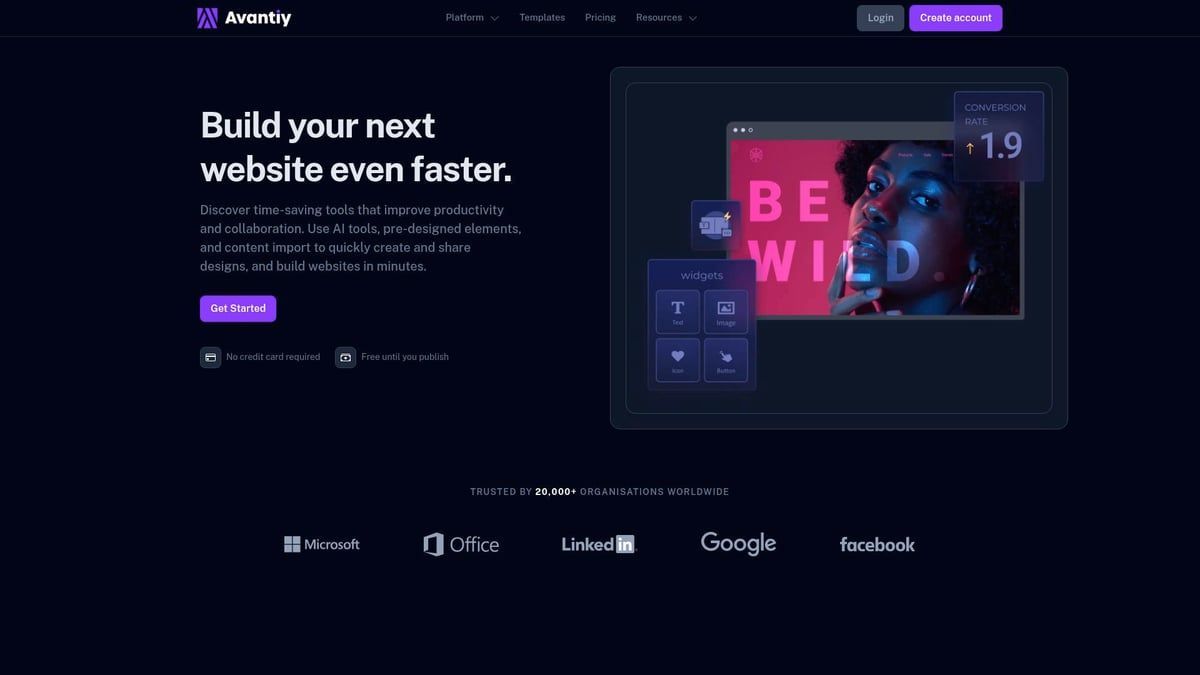
Avantiy’s AI-powered drag-and-drop editor allows anyone to create a professional shop in hours, not days. Choose from modern, customisable templates and enjoy seamless integration of ecommerce, bookings, memberships and over 400 apps. AI content generation tools help you write product descriptions, craft SEO-friendly pages and even design layouts automatically.
Core ecommerce features include unlimited products, secure payments, advanced SEO, dynamic CMS, and high Core Web Vitals scores for fast loading. Avantiy supports UK payment gateways and is built for GDPR compliance. Real human support is available for onboarding and troubleshooting.
Ideal for small businesses, startups and agencies, Avantiy makes launching and managing a shop simple. You get no-code editing, free risk-free onboarding, and a platform designed to grow with you. While the app marketplace is newer and smaller than legacy platforms, Avantiy’s all-in-one approach saves time and reduces costs.
Want to see how Avantiy’s features compare? Explore the Ecommerce solutions overview for a detailed look at what sets this builder apart as the best ecommerce website builder for UK businesses.
Shopify
Shopify remains a powerhouse in the best ecommerce website builder market, trusted by over 1.7 million businesses worldwide. Its monthly pricing ranges from £19 to £259, with regular discounts and a £1/month intro offer for new users.

Shopify’s extensive app store and 100+ payment gateways make it highly flexible for UK and international sellers. Key features include multi-channel sales (Amazon, eBay, Instagram), custom checkout, abandoned cart recovery and robust analytics. The platform is designed to scale from small shops to high-volume global brands.
For those seeking the best ecommerce website builder to support rapid growth, Shopify offers strong community support, advanced reporting and unlimited product listings. The learning curve can be steep, especially for advanced customisation, and transaction fees apply unless you use Shopify Payments.
Shopify is a top choice for businesses that need powerful tools, global reach and the ability to handle complex catalogues. However, some UK small businesses find the fees and app dependencies add up quickly, so it is best to assess your long-term needs before committing.
Wix Ecommerce
Wix Ecommerce is another contender for the best ecommerce website builder, especially for small businesses and creatives. Pricing starts at £13/month, with a limited free plan and regular discounts. Its intuitive drag-and-drop builder and 500+ templates allow even beginners to design attractive online shops.
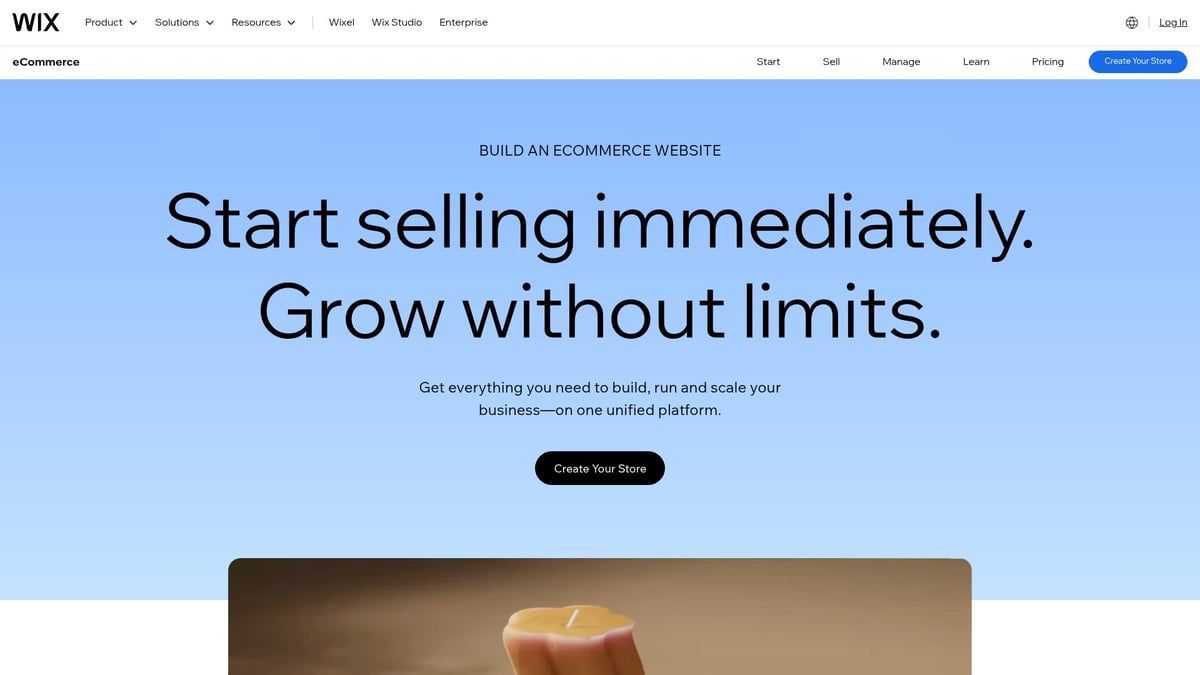
Wix offers integrated SEO, global selling, automated tax calculation, and a personalised SEO assistant. The platform’s strength lies in design flexibility and ease of use. You can sell both physical and digital products, manage inventory and access a library of marketing tools.
While Wix powers over 200 million sites, its ecommerce features are not as advanced as Shopify’s for complex or high-volume shops. Transaction fees and some feature limitations apply on lower plans. Still, for those focused on branding, quick setup and user-friendly design, Wix is a leading best ecommerce website builder choice.
Squarespace
Squarespace stands out as the best ecommerce website builder for visual brands, consultants and service-based businesses. Its pricing ranges from £16 to £49/month, with a 14-day free trial and regular promo codes.

The platform is known for award-winning templates, unlimited products, built-in bookings, digital downloads and new AI content tools. Squarespace’s scheduling features make it ideal for businesses selling services or digital goods. Integrated SEO, blogging and image optimisation help boost online visibility.
However, Squarespace offers fewer payment gateways and advanced ecommerce integrations compared to Shopify or Avantiy. It is best for those who value design and need bookings or subscriptions alongside physical or digital product sales. For UK businesses aiming for a visually striking, easy-to-manage shop, Squarespace is a strong contender in the best ecommerce website builder category.
BigCommerce
BigCommerce is a robust best ecommerce website builder for established SMEs, B2B sellers and multi-channel retailers. Pricing starts at £22/month, reaching £260+ for advanced plans, and includes a generous 15-day free trial.
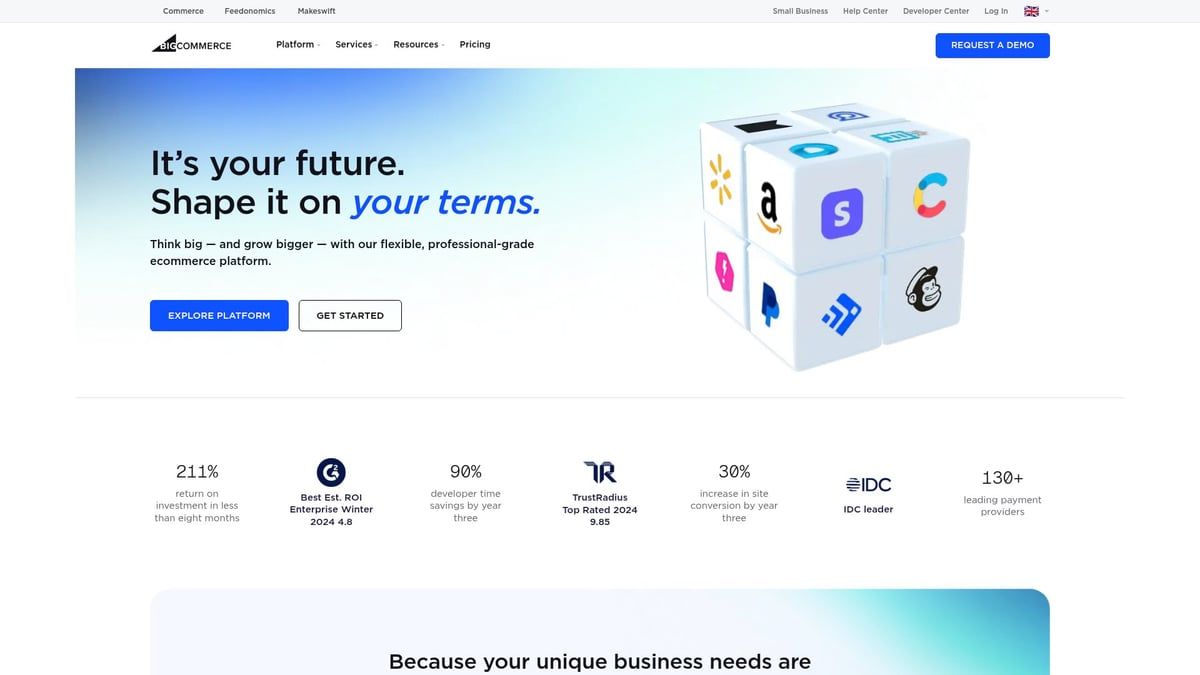
The platform’s core features include multi-channel sales, no transaction fees, advanced SEO, support for complex catalogues and B2B tools. BigCommerce is designed for scalability, with a flexible API and international selling capabilities. Brands like Skullcandy trust it for large product ranges and global reach.
Pros include no additional transaction fees, strong built-in features and support for intricate product options. The main drawbacks are a steeper learning curve and monthly sales limits on lower plans. For UK businesses outgrowing basic platforms, BigCommerce delivers the performance and flexibility required from the best ecommerce website builder.
GoDaddy Website Builder
GoDaddy Website Builder is the best ecommerce website builder for those who value speed and simplicity. With prices from £9.99 to £19.99/month and a 7-day free trial, it offers a fast way to get your online shop live.
GoDaddy’s platform provides a beginner-friendly editor, quick setup, social selling integrations and built-in marketing tools. You can sell on Facebook and Instagram, run local promotions and connect with UK customers easily. Support is reliable and available when you need it.
However, GoDaddy has limited customisation, only three payment gateways and more basic ecommerce features than platforms like Avantiy or Shopify. It is ideal for new sellers, local businesses or those prioritising speed over complexity. For straightforward needs, it remains a practical best ecommerce website builder option.
Duda
Duda is a professional-grade best ecommerce website builder, popular with agencies, freelancers and businesses managing multiple stores. Its pricing starts at £11/month, with a 14-day free trial and ecommerce add-ons available.
Duda’s white-label options, team collaboration tools and dynamic content features make it unique. The platform is mobile-first, with excellent site speed and SEO tools. It is especially suited to web professionals and agencies building ecommerce solutions for multiple clients.
While Duda offers advanced design and collaboration capabilities, ecommerce features require add-ons, and the interface is less beginner-friendly. For businesses or agencies seeking to manage several high-performing sites, Duda is a strong best ecommerce website builder pick.
Key Features to Look for in a Modern Ecommerce Website Builder
Choosing the best ecommerce website builder means looking beyond the basics. Today’s platforms must deliver powerful features, top-class performance, and seamless growth potential for UK businesses.
Essential Ecommerce Features in 2026
The best ecommerce website builder in 2026 must cover all the essentials for smooth online selling. Key features include:
- Product catalogue management with unlimited products, variants, and support for both digital and physical goods.
- Secure payment processing, offering multiple gateways, PCI compliance, and fraud protection.
- Automated shipping and tax calculation, providing real-time rates and global or local tax rules.
- Inventory management with real-time stock tracking and low-stock alerts for easy oversight.
- In-depth analytics and reporting tools to monitor sales, traffic, and conversions at a glance.
Without these core tools, even the best ecommerce website builder will struggle to support business growth and customer trust.
Advanced Tools and Integrations
Modern platforms must offer advanced capabilities to stand out as the best ecommerce website builder. Look for:
- AI-powered content and design tools for automated product descriptions, image optimisation, and layout suggestions.
- Robust marketing automation, covering email campaigns, abandoned cart recovery, and discount management.
- Multi-channel sales integrations with Amazon, eBay, Facebook, and Instagram, letting you reach customers everywhere.
- Access to rich app marketplaces, enabling further expansion with plugins and third-party tools.
Platforms like Avantiy lead the way, providing AI-powered website builder tools that streamline site creation and content management for UK businesses.
SEO and Performance Optimisation
For visibility and conversions, the best ecommerce website builder offers:
- Built-in SEO tools like meta tags, sitemaps, and schema markup, making it easier to rank in search engines.
- Fast, mobile-optimised templates with high Core Web Vitals scores, ensuring a seamless experience on any device.
- Integrated blogging capabilities, supporting content marketing and organic traffic growth.
- Security features such as SSL certificates and a global CDN, boosting site speed and customer confidence.
Strong SEO and performance are non-negotiable for any best ecommerce website builder in 2026.
Support, Scalability, and Security
Reliable support and future-proof infrastructure are vital when assessing the best ecommerce website builder. Key considerations include:
- 24/7 customer support via live chat, phone, and detailed knowledge bases, especially important for UK time zones.
- Secure, scalable hosting with 99.9% uptime and infrastructure to accommodate business growth.
- Full GDPR compliance and robust data privacy controls, protecting both your business and customers.
- Comprehensive support helps UK retailers scale from side-hustle to full-time success with confidence.
A platform investing in support and security ensures your business never faces growth barriers.
Pricing, Value, and ROI: What UK Businesses Should Expect
Navigating the world of the best ecommerce website builder options can be daunting for UK businesses. Pricing structures vary widely, value propositions differ, and ROI depends on the right match for your needs. Let’s break down what to expect and how to make a smart, future-proof choice for your online shop.
Understanding Pricing Models
Choosing the best ecommerce website builder starts with understanding pricing models. Most platforms offer subscription tiers, typically monthly or annual, with ecommerce-specific features unlocked at higher levels.
Look for transparent pricing and risk-free onboarding, such as free trials or pay-only-when-ready models. For instance, Avantiy’s free-until-publish approach lets you design your store at no cost, then upgrade only when you are ready to go live. You can review detailed Ecommerce builder pricing plans to compare costs and features side by side.
Transaction fees are another factor. Some builders charge extra per sale unless you use their own payment gateway, while others, like BigCommerce, offer zero transaction fees. Always read the fine print before committing.
Calculating Total Cost of Ownership
When selecting the best ecommerce website builder, consider more than just the monthly price. Hidden fees can add up, including domain renewals, app add-ons, and payment processing charges.
Compare the value of built-in features against the cost of paid extras. For example, GoDaddy’s entry price is appealing, but you may need to upgrade quickly for advanced features. In contrast, platforms like Avantiy and Shopify bundle hosting, security, and marketing tools in their plans, reducing reliance on third-party tools.
A smart investment is one that delivers ROI through increased sales, faster launches, and less time spent managing your store.
Maximising Value for Money
To get the most from the best ecommerce website builder, look for bundled features such as marketing, SEO, hosting, and support. This all-in-one approach saves money and streamlines store management, especially as your business grows.
Scalability is crucial. Outgrowing your builder can mean costly migrations later. Prioritise platforms that offer access to future upgrades and AI tools, ensuring your site keeps pace with ecommerce trends.
A recent case study saw a UK retailer switch to a scalable platform and double their online sales within a year, thanks to better automation and integrated marketing features.
Tips for UK Businesses
UK businesses choosing the best ecommerce website builder should factor in VAT on fees, local payment gateways, and support hours that match UK time zones. GDPR compliance and UK-based hosting options are essential for data privacy and customer trust.
Transparent pricing is vital for budgeting and planning growth. Before committing, ask about contract lengths, renewal costs, and available upgrades. Taking these steps helps you build a resilient, high-converting online shop that supports your ambitions.
Frequently Asked Questions About Ecommerce Website Builders in 2026
Choosing the best ecommerce website builder in 2026 raises many questions for UK businesses. Below, we address the most common queries, with practical tips to help you make confident decisions.
Common Queries Answered
Can I switch to a new builder without losing my data?
Yes, most leading platforms now offer migration tools, but data transfer can be complex. Always back up your products and customer lists before moving to another best ecommerce website builder.
Do I need coding skills to launch an online shop?
No, the majority of platforms use drag-and-drop editors and AI-powered tools, so you do not need to code. This makes launching your store fast and accessible, even for beginners.
Which builder is best for selling internationally?
Shopify and BigCommerce offer extensive multi-currency and shipping options, while Avantiy is gaining ground for UK sellers with its all-in-one global features.
How do transaction fees work?
Some platforms, like Shopify, charge transaction fees unless you use their payment gateway. Always review the pricing details to avoid hidden costs.
What support is available for UK users?
Look for builders offering UK-based support hours, live chat, and active community forums for the best local experience.
Expert Insights and Final Tips
To future-proof your online store, select a best ecommerce website builder that combines ease of use with advanced features. AI-driven platforms like Avantiy provide automated design, content generation, and seamless scaling as your business grows.
Balancing flexibility and simplicity is crucial. If customisation matters, review available Ecommerce website builder templates to ensure your brand stands out.
AI-powered tools are transforming ecommerce by streamlining setup, marketing, and customer service. For a deeper look at how these innovations are shaping the field, see Top 10 Practical E-commerce Website Development Trends for 2026.
Choose a platform that aligns with your business goals, supports UK compliance, and offers room to grow. This way, you can focus on selling, not site management.
As you’ve seen throughout this guide, choosing the right ecommerce website builder in 2026 is all about finding a platform that balances ease of use, powerful features, and future-ready tools like AI design and integrated ecommerce. Whether you’re launching your very first online shop or scaling an established business, having a solution that adapts to your needs and supports your growth is essential. If you’re ready to put these insights into action and see how simple building your store can be,
Get Started for Free and discover the difference for yourself.