Dynamic Site Guide: Building Engaging Websites in 2026
Web design is changing faster than ever as we head into 2026. Users now expect every website to be interactive, personal, and always up to date. For businesses, creators, and organisations, a dynamic site is no longer a luxury, but a necessity.
Dynamic websites help you engage visitors, boost conversions, and grow your brand in a crowded digital landscape. This guide will walk you through every step needed to build an engaging, future-ready website.
You’ll discover what makes dynamic sites stand out, how to plan and structure your project, and the latest tools to optimise and future-proof your online presence.
Understanding Dynamic Websites in 2026
Staying ahead in the digital world means understanding what makes a dynamic site work in 2026. Businesses, creators, and organisations are moving rapidly towards websites that offer real-time content, personalisation, and engagement. Let’s break down what sets a modern dynamic site apart, the core technologies involved, and why it’s a smarter choice than static sites.

What Defines a Dynamic Website Today?
A dynamic site is different from a static one because it adapts content and layout to each visitor. Unlike static pages, which show the same information to everyone, a dynamic site updates in real time and responds to user actions. This includes features like live news feeds, tailored product recommendations, and interactive dashboards.
Personalisation is at the heart of a dynamic site. For example, a news portal can display trending stories based on user preferences, while an e-commerce shop updates stock and offers instantly. According to AI-driven personalisation in web design, AI is making these experiences even more relevant and engaging for users. Competitor data shows that dynamic sites are preferred for their ability to deliver real-time, personalised content.
Key Technologies Powering Dynamic Sites
The backbone of a dynamic site in 2026 involves several smart technologies. Server-side languages such as PHP, Python, and Node js process requests and deliver tailored content. Modern CMS platforms like WordPress, Avantiy, and Drupal allow users to manage and update content easily.
APIs and headless CMS solutions connect the site with external services, enabling features like live chat or payment processing. Databases, whether SQL or NoSQL, store user profiles, product data, and more. For example, integrating a live inventory update in an online shop ensures customers always see accurate stock levels. Avantiy's AI tools make managing these technologies seamless for UK businesses.
Benefits Over Static Websites
Choosing a dynamic site comes with clear advantages. Personalisation keeps users engaged and encourages repeat visits. Content management is much easier, allowing teams to update blogs, products, or news without technical skills. Dynamic sites are also scalable, supporting e-commerce, bookings, and memberships as your business grows.
SEO performance improves with dynamic metadata and structured data, helping your site rank higher. Industry statistics reveal that dynamic sites experience 30 percent higher engagement compared to static alternatives. For UK small businesses, this boost in engagement can mean more leads and conversions.
Core Components of Engaging Dynamic Sites
Every successful dynamic site shares some essential features. User authentication lets visitors create profiles and access personalised dashboards. Dynamic content feeds keep blogs, product listings, and news up to date without manual edits. Interactive forms and feedback tools gather valuable insights while boosting participation.
Integration with third party services, such as payment gateways or review platforms, adds value for users. For example, a custom dashboard for logged in members can display order history, exclusive offers, and tailored recommendations. Avantiy makes it easy to add these advanced features using intuitive tools.
Common Use Cases and Modern Examples
A dynamic site can power a wide range of online experiences. E-commerce stores rely on real-time stock updates and personalised promotions. Online learning platforms use dynamic modules, quizzes, and student dashboards. Community and membership sites offer forums, gated content, and discussion boards.
Digital portfolios and business service sites benefit from dynamic galleries, booking tools, and client portals. Modern examples include Avantiy-powered business sites, Shopify stores with live inventory, and Squarespace blogs with member-only content. These platforms show how a dynamic site can adapt to different needs and industries.
Planning Your Dynamic Website: Strategy & Structure
A successful dynamic site starts with thoughtful planning. By defining clear objectives and mapping every step, you ensure your website meets business needs and delivers value to your audience. Let’s break down the process for building a structure that supports engagement and long-term growth.
Setting Clear Goals and Understanding Your Audience
Every dynamic site should begin with a clear set of goals. Consider what you want to achieve: do you want to increase sales, generate leads, or build engagement?
Spend time researching your target audience. Learn about their preferences, browsing habits, and the devices they use. When you match your dynamic site features to user expectations, you create a platform that resonates.
For example, a local gym might set goals to boost class bookings and offer exclusive member content, shaping the dynamic site around these priorities.
Mapping User Journeys and Essential Features
Understanding how users interact with your dynamic site is critical. Start by creating user personas to represent your typical visitors. Map their journey from landing on the homepage to completing a key action, such as making a purchase or signing up.
Identify touchpoints like landing pages, product listings, and checkout flows. List essential features:
- Advanced search and filters
- Customer reviews
- Streamlined checkout process
For an e-commerce dynamic site, a smooth and intuitive checkout flow can make all the difference in conversion rates.
Choosing the Right Platform and Tools
Selecting the right platform is pivotal for any dynamic site. Compare options like Avantiy, Wix, Squarespace, Shopify, and Duda. Each offers unique strengths and limitations.
| Platform | No-Code | AI Features | Scalability | E-commerce | Support |
|---|---|---|---|---|---|
| Avantiy | Yes | Advanced | High | Full | Personalised |
| Wix | Yes | Moderate | Medium | Moderate | Standard |
| Squarespace | Yes | Basic | Medium | Moderate | Standard |
| Shopify | No | Basic | High | Advanced | Standard |
| Duda | Yes | Limited | Medium | Moderate | Standard |
60% of UK small businesses now prefer all-in-one platforms for their dynamic site needs, seeking seamless integration and ongoing support.
Avantiy: AI-Powered Website Builder for Dynamic Sites
Avantiy stands out with its intuitive drag-and-drop editor, making it easy for anyone to build a dynamic site. You get AI-generated content, built-in SEO, and ultra-fast hosting, all in one package.
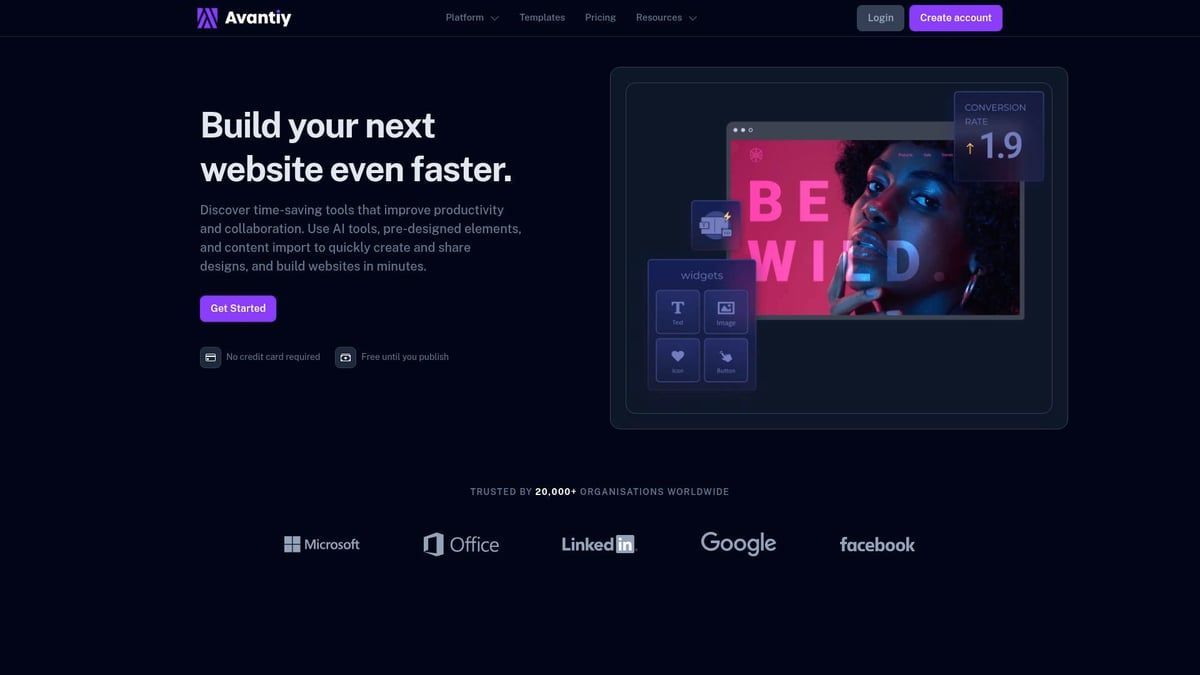
The platform supports integrated e-commerce, bookings, and membership features, perfect for businesses and creators. Personalised support ensures your dynamic site grows alongside your goals.
For instance, you can launch a dynamic online portfolio or shop in just a few hours, leveraging AI-powered website builder features to stay ahead.
Designing for Engagement: Layout, Navigation & Branding
Design plays a vital role in the success of your dynamic site. Choose modern, responsive templates that adapt to all devices. Prioritise clear navigation, with intuitive menus and logical page structure.
Consistent branding and a strong visual hierarchy help users find what they need quickly. For example, a mobile-first approach is essential for UK audiences, as most visitors expect seamless browsing on any device.
Planning Content and Data Structure
Organising your content is essential for a scalable dynamic site. Define content types such as blogs, products, or events. Set up databases or collections to make content management efficient.
Plan for regular updates and future expansion. Structure your dynamic site to support categories, tags, and author profiles, making it easy to grow your content library as your business develops.
Step-by-Step: Building Your Dynamic Website in 2026
Launching a successful dynamic site in 2026 requires a clear, practical approach. Follow these steps to create a future-ready platform tailored to your goals and audience.
Step 1: Setting Up Your Platform and Domain
Every dynamic site begins with a solid foundation. Choose a memorable domain name that reflects your brand or service.
Register your domain through a trusted provider. Next, select a reliable hosting solution. All-in-one builders like Avantiy offer integrated hosting, while others such as Wix or Shopify may bundle domains with their plans.
Connect your domain to your chosen website builder or CMS. Avantiy’s free start option lets you build and preview your dynamic site before going live, ensuring everything is perfect before launch.
Step 2: Configuring Site Structure and Navigation
Organise your dynamic site by mapping out essential pages: home, about, contact, and shop or services.
Set up intuitive menus, footers, and internal links. Use mega-menus for larger sites to keep navigation clear and accessible. Logical flow is crucial for guiding visitors through your content.
Prioritise accessibility and user-friendly pathways. Platforms like Avantiy and Duda provide tools for creating accessible navigation, helping you meet modern standards and user expectations.
Step 3: Creating and Connecting Dynamic Content
Populate your dynamic site with real-time content, such as blog feeds, product listings, or event calendars.
Connect your site to internal or external databases, like Google Sheets or Airtable, to automate content updates. Avantiy’s AI tools simplify content generation, speeding up the process.
For example, add a real-time event calendar that updates automatically as new events are added to your database. This keeps your dynamic site fresh and relevant for visitors.
Step 4: Integrating Interactive Features
Engage users with interactive elements tailored to your dynamic site’s purpose. Add forms for enquiries, booking systems for appointments, and chatbots for instant support.
Enable user accounts for personalised experiences. Integrate payment gateways for e-commerce or booking systems for services. Avantiy makes these integrations seamless, ideal for UK businesses seeking a comprehensive solution.
A secure member login offers exclusive content, fostering loyalty and repeat visits on your dynamic site.
Step 5: Enhancing Visual Appeal and Responsiveness
Visual impact matters. Customise templates for a consistent, memorable brand presence across your dynamic site.
Use high-quality images, engaging multimedia, and a mobile-first approach. With 70 percent of UK web traffic now on mobile, responsive design is essential. Explore Responsive website templates to ensure your site looks great on every device.
Optimise layouts for clarity and speed. Modern builders like Avantiy and Squarespace offer extensive template libraries designed for dynamic site flexibility.
Step 6: SEO, Analytics, and Performance Optimisation
Optimise your dynamic site for discoverability and speed. Add dynamic metadata and structured schema to improve search rankings.
Set up Google Analytics and Search Console to monitor performance. Avantiy’s automatic SEO tools streamline this process, making it easy for site owners.
Focus on site speed and Core Web Vitals. Fast-loading pages retain visitors and boost engagement, giving your dynamic site a competitive edge.
Step 7: Testing, Launching, and Iterating
Before launching your dynamic site, conduct thorough cross-browser and device testing. Ensure every feature works flawlessly across mobiles, tablets, and desktops.
Gather user feedback through surveys or testing groups. Address issues promptly, then launch confidently. Monitor key performance indicators to track success.
Plan for regular updates and feature improvements, keeping your dynamic site ahead of the curve.
Step 8: Managing Security and Compliance
Protect your dynamic site and its users with robust security measures. Implement SSL certificates, secure authentication, and ensure GDPR compliance.
Regularly update all plugins and platform software. All-in-one builders like Avantiy and Shopify include built-in security features, reducing risk for business owners.
Back up your site data frequently and monitor for vulnerabilities. Staying proactive helps maintain trust and safeguards your dynamic site’s reputation.
Optimising Engagement: Content, UX & Personalisation
Creating a successful dynamic site in 2026 means prioritising engagement at every stage. To stand out, you need to deliver content that adapts, user journeys that delight, and personalisation that anticipates visitor needs. Here’s how to optimise every layer of your dynamic site for true impact.

Crafting Compelling, Dynamic Content
The heart of any dynamic site is its content. Use AI-powered tools to generate fresh ideas, streamline writing, and ensure every page feels relevant. By tracking visitor behaviour, your dynamic site can present unique articles, offers, or product highlights tailored to each user.
Regularly update your blog, news, and landing pages so visitors always find something new. For e-commerce, dynamic product recommendations boost conversions and keep customers exploring. Platforms like Avantiy make it simple to launch a dynamic site that evolves with your audience, offering built-in tools for content scheduling and personalisation.
- Use AI for faster content creation
- Personalise headlines and offers for each user
- Schedule regular updates to keep your site active
A dynamic site thrives on fresh, engaging content that adapts to every visitor.
User Experience (UX) Best Practices
A dynamic site must load quickly and feel intuitive on every device. Prioritise responsive layouts and clear navigation so users can find what they need without confusion. Accessible design is essential, ensuring everyone—including users with disabilities—can interact with your site.
Incorporate Accessibility-first design principles to create an inclusive experience, which is now a core expectation in 2026. Fast load times, readable fonts, and logical menus all contribute to a positive impression. Remember, 88 percent of visitors will not return after a poor UX, so every detail matters.
- Optimise images and code for speed
- Use large, legible fonts and contrast
- Test navigation on mobile and desktop
A great dynamic site puts user experience at the centre of every design choice.
Leveraging Data and Personalisation
Modern dynamic site platforms enable you to collect and analyse user data in real time. Use this insight to shape personalised landing pages, targeted email campaigns, and dynamic product displays. Segmentation lets you deliver messages that truly resonate with each visitor.
For example, e-commerce sites can highlight deals based on browsing habits, while content platforms recommend articles users are likely to enjoy. With Avantiy, it’s easy to connect your dynamic site to analytics dashboards, helping refine your strategy as you grow.
- Track user journeys and preferences
- Segment audiences for tailored messaging
- Optimise offers based on real data
Personalisation transforms a dynamic site from a static presence into an engaging, interactive experience.
Integrating Community and Membership Features
Community features bring your dynamic site to life. Enable user registration, member profiles, and forums to foster engagement. Offer exclusive content or tools behind login screens, encouraging visitors to join and participate.
Membership-based dynamic sites benefit from dashboards, comment sections, and ratings that keep users returning. For online learning or business communities, these features create a sense of belonging. Avantiy and similar platforms offer built-in solutions for managing memberships and secure access.
- Create gated content for members
- Add forums or comment sections
- Let users customise their profiles
A vibrant community is a powerful driver for dynamic site engagement and loyalty.
Using Automation and AI for Better Engagement
Automation is key for scaling your dynamic site. Use AI to handle routine updates, schedule blog posts, and send timely email campaigns. Chatbots provide instant support, answering questions and guiding users through key actions.
AI-driven analytics help you spot trends and adjust your content or layout for better results. With Avantiy’s AI-powered features, even small teams can manage a dynamic site efficiently, ensuring every visitor receives a personal touch.
- Automate newsletters and updates
- Deploy chatbots for quick responses
- Use AI to analyse engagement patterns
Smart automation ensures your dynamic site remains fresh, interactive, and highly engaging as your audience grows.
Future-Proofing Your Dynamic Website
In 2026, ensuring your dynamic site stands the test of time is vital for continued success. With rapid shifts in digital trends, future-proofing means your site remains engaging, secure, and competitive, even as technology advances.
Adopting Emerging Technologies
To keep your dynamic site ahead, embrace new technologies early. Artificial intelligence, augmented reality, and voice search are transforming how users interact with online platforms. For example, integrating AI chatbots or AR product previews can set your site apart from competitors like Wix or GoDaddy.
Modern APIs make it easy to connect with future services as they launch. Exploring trends such as integration of 3D elements in web interfaces can also boost engagement and give your dynamic site a cutting-edge feel. Regularly review industry developments to ensure your site evolves alongside user expectations.
Scalability and Adaptability
A future-ready dynamic site must scale as your business grows. Choose platforms that offer modular design and flexible features. Avantiy, for example, allows you to add new sales channels, languages, or services as your needs change, while platforms like Shopify or Duda may require more manual adjustments.
Key scalability factors include:
- Modular page layouts
- Easy integration of new features
- Support for increased traffic and content
This ensures your dynamic site continues to serve your audience, no matter how your business evolves over time.
Staying Ahead with SEO and Performance
Ongoing optimisation is essential for your dynamic site to stay visible on search engines. Monitor Core Web Vitals and adapt to Google’s algorithm updates. Regular SEO audits will help you maintain strong rankings and deliver a fast, reliable experience for users.
Avantiy stands out with built-in SEO tools for dynamic sites that automate metadata, schema, and on-page optimisation. This streamlines the process, while still allowing manual control. Keeping your site’s performance high ensures you remain competitive against platforms like Squarespace or Wix.
Ensuring Security and Data Privacy
Security and privacy are non-negotiable for any dynamic site. Stay updated on data protection laws, such as GDPR and UK-specific regulations. Use secure hosting, enable SSL certificates, and schedule regular vulnerability scans.
Educate your team and users about privacy policies and consent. Platforms like Avantiy and Shopify offer built-in security features, reducing manual effort. Regularly update all software to prevent vulnerabilities and keep user data safe.
Continuous Improvement: Analytics and Feedback Loops
Future-proofing a dynamic site means never standing still. Set up real-time analytics dashboards to track user behaviour and site performance. Collect feedback through surveys and heatmaps, and use this data to drive updates.
Steps for ongoing improvement:
- Analyse analytics for trends and issues
- Gather feedback from users regularly
- Conduct competitor benchmarking
- Schedule periodic site audits
Taking a proactive approach ensures your dynamic site remains relevant, engaging, and effective as digital trends shift.
Now that you have a clear understanding of what it takes to build a dynamic, engaging website in 2026—from choosing the right platform and mapping user journeys, to integrating AI and future proofing your site—why not put this knowledge into action? Whether you are creating your first portfolio, launching a new business, or expanding your online store, you do not need to wait weeks or learn to code. With Avantiy’s intuitive AI powered tools and expert support, you can create a beautiful, professional site that grows with you. Ready to take the next step?
Start Building Your Website Today
Start building your new website today
No credit of debit card required start building today