9 Innovative Best Retail Websites to Explore in 2026
Retail websites are evolving at a remarkable pace, driven by technology and customer demands for seamless, engaging experiences. In 2026, standing out means embracing innovation and setting new benchmarks for what shoppers expect. This guide to the best retail websites reveals nine groundbreaking platforms that are redefining user experience, technology, and business growth. You will discover their standout features, pricing structures, pros and cons, and which audiences each site serves best. Let these industry leaders spark your next move—explore, get inspired, and see what the future of retail looks like today.
What Makes a Retail Website Innovative in 2026?
Innovation is the heartbeat of the best retail websites in 2026. As technology and customer expectations evolve, retailers must adapt quickly to stay ahead. The most successful sites are those that anticipate shopper needs, deliver seamless experiences, and leverage cutting-edge tools to transform every stage of the buying journey.
Defining Innovation for the Best Retail Websites
Innovation in the best retail websites is about more than just attractive design. It’s the smart use of technology to create memorable, efficient, and personal shopping experiences. In 2026, this means combining artificial intelligence, omnichannel strategies, and seamless checkouts to surpass customer expectations.
Retailers who prioritise these elements consistently lead the market. They don’t just follow trends; they set new standards for convenience and engagement.
The Power of AI and Personalisation in Retail
AI sits at the core of the best retail websites, driving everything from personalised product recommendations to intelligent chatbots. These features don’t just make shopping easier—they increase sales and foster loyalty. In fact, companies using AI-driven personalisation boosts sales revenue by an average of 20 percent, proving the tangible benefits of smart technology.
What does this look like in practice? AI analyses browsing habits, purchase history, and even real-time behaviour to suggest the right products at the right time. Chatbots answer questions instantly, freeing up staff and improving response times for shoppers.
Mobile-First Design and Lightning-Fast Experiences
The best retail websites are built for mobile-first interaction. With most shoppers browsing and buying on their phones, a responsive design is essential. Lightning-fast site speed is equally crucial, as slow pages drive customers away.
Modern platforms like Avantiy excel here, offering optimised templates that load quickly and adapt to any device. This focus on performance keeps users engaged and improves conversion rates.
AR/VR and Interactive Shopping
Augmented reality and virtual reality are no longer futuristic concepts. The best retail websites in 2026 use AR to let customers visualise products in their own space, from sofas to trainers. VR creates immersive showrooms where shoppers can explore collections as if they were in-store.
These interactive tools reduce uncertainty and returns, making buying decisions easier. They also set brands apart, turning routine shopping into a memorable experience.
Building Trust: Sustainability, Security, and Transparency
Trust is a cornerstone for the best retail websites. Shoppers are increasingly concerned about sustainability, ethical sourcing, and data privacy. Leading retailers respond by providing clear information about product origins, using eco-friendly practices, and complying with GDPR and other privacy standards.
Enhanced security features, such as two-factor authentication and encrypted payments, reassure customers that their data is safe. Real-time inventory management and transparent shipping updates further improve the buying process.
In fact, 74 percent of UK online shoppers expect personalisation and transparency when choosing where to spend, according to Econsultancy (2024).
The best retail websites in 2026 set themselves apart by combining these innovative features, creating an experience that is not only efficient and enjoyable but also trustworthy and forward-thinking.
9 Innovative Best Retail Websites to Explore in 2026
The retail landscape is shifting rapidly, and the best retail websites are leading the way with innovation, seamless user experiences, and powerful technology. In 2026, retailers are pushing the boundaries of what online shopping can be, setting new standards for engagement and growth.
In this section, we highlight nine of the best retail websites making an impact across the UK and beyond. Each site stands out for its unique features, commitment to customer satisfaction, and ability to adapt to market trends. Whether you're seeking inspiration for your own shop or looking for the ultimate digital shopping experience, this list covers a range of platforms, pricing, and audiences.
Zalando
Zalando remains one of the best retail websites for fashion-forward shoppers in 2026, thanks to its relentless focus on innovation and user experience. Browsing is free, with a wide range of competitive product pricing and premium membership options for added perks.
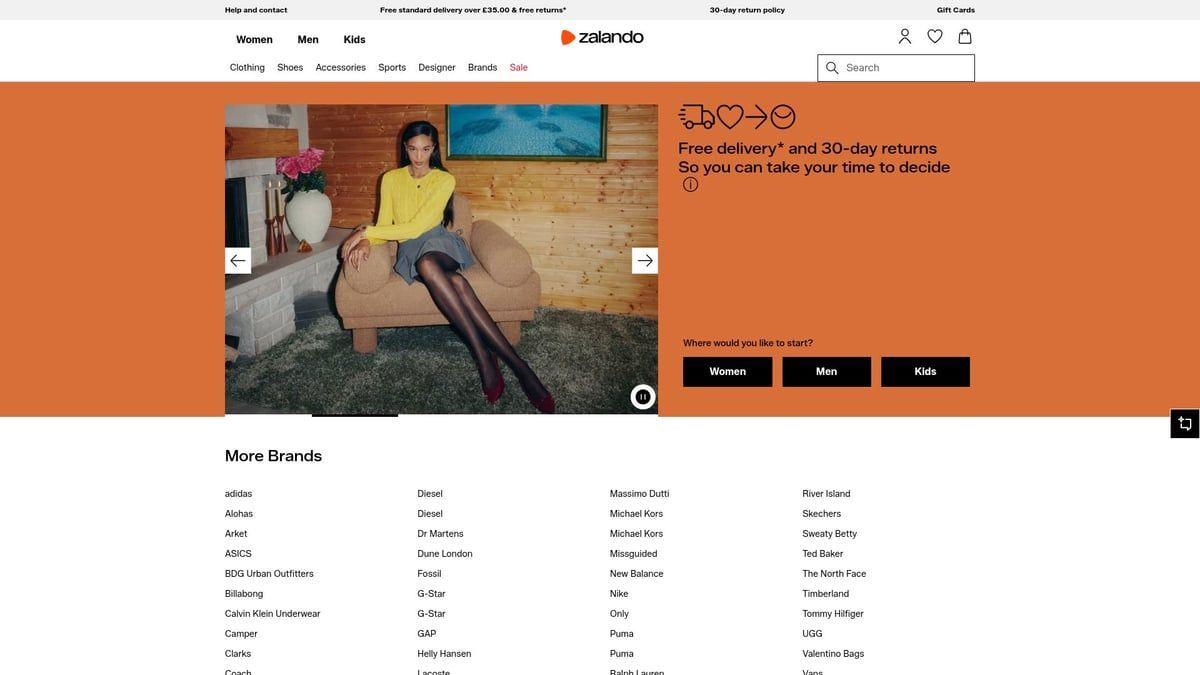
Key features include AI-powered personalisation, providing tailored recommendations based on browsing history and preferences. Virtual fitting rooms, powered by advanced AR, let users visualise clothing before purchase, reducing returns and increasing satisfaction. Zalando’s sustainable fashion filters make it easy for eco-conscious shoppers to make responsible choices.
The benefits are clear: an extensive product range, fast delivery, and a strong commitment to eco-friendly shopping. The platform appeals most to those passionate about fashion and sustainability, offering a user-friendly interface and a robust returns policy.
Pros:
- Intuitive navigation and modern design
- Comprehensive returns process
Cons:
- Focused solely on fashion and apparel
- Some brands not available in the UK market
For shoppers seeking the best retail websites for ethical and innovative fashion, Zalando is a top contender.
Avantiy
Avantiy is quickly rising among the best retail websites, especially for startups and SMEs eager to make their mark online. The platform offers transparent monthly plans and a free trial, making it accessible for all budgets.
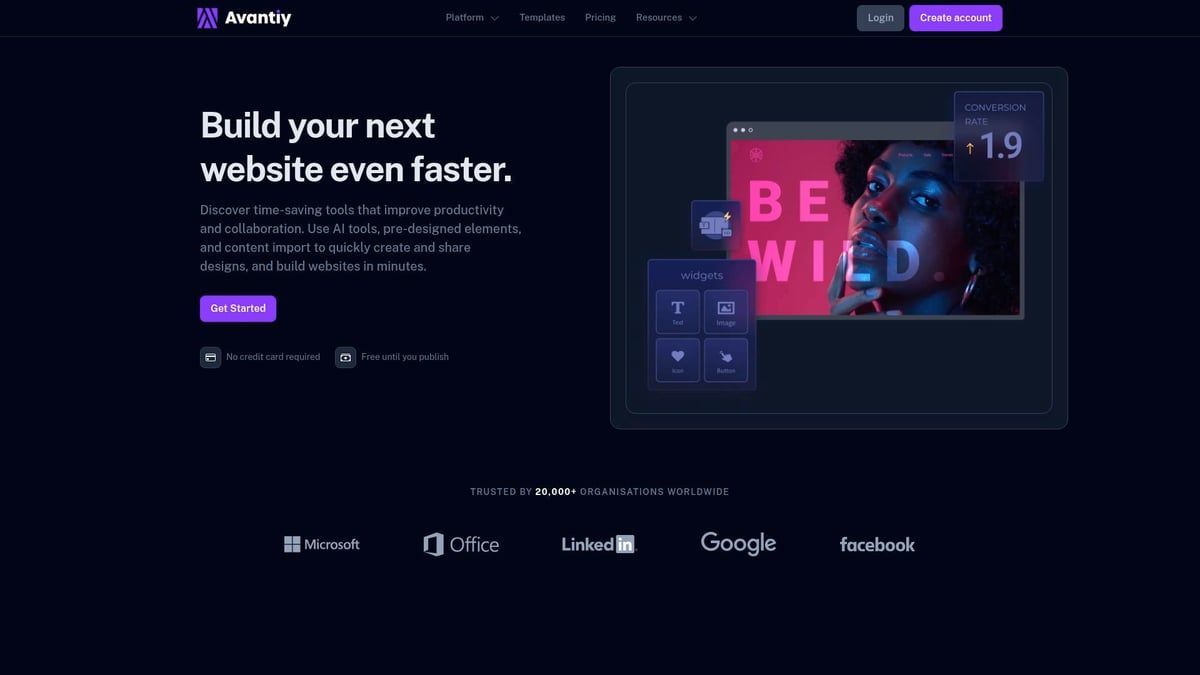
Core features include an AI-powered website and eCommerce builder, drag-and-drop editor, and a library of customisable templates. Integrated booking, payment solutions, and built-in SEO make Avantiy an all-in-one solution. Its AI content generation tools help businesses launch quickly without technical know-how. Hosting is lightning-fast, ensuring your store loads instantly for customers.
Avantiy’s unique selling point is simplicity without compromise. It’s perfect for individuals, boutiques, and digital product sellers who want a professional store with minimal fuss. Personalised support and scalable infrastructure mean your website can grow with your business.
Pros:
- Personalised onboarding and support
- Quick setup, no coding required
Cons:
- Newer to market, so fewer third-party integrations as of 2026
For UK small businesses looking for flexibility and intelligent automation, Avantiy is a smart choice. Discover more about AI-powered eCommerce solutions that set Avantiy apart from traditional platforms.
Selfridges
Selfridges consistently ranks among the best retail websites for luxury shoppers and trendsetters. The site is free to browse, with a curated range of luxury products at premium prices.
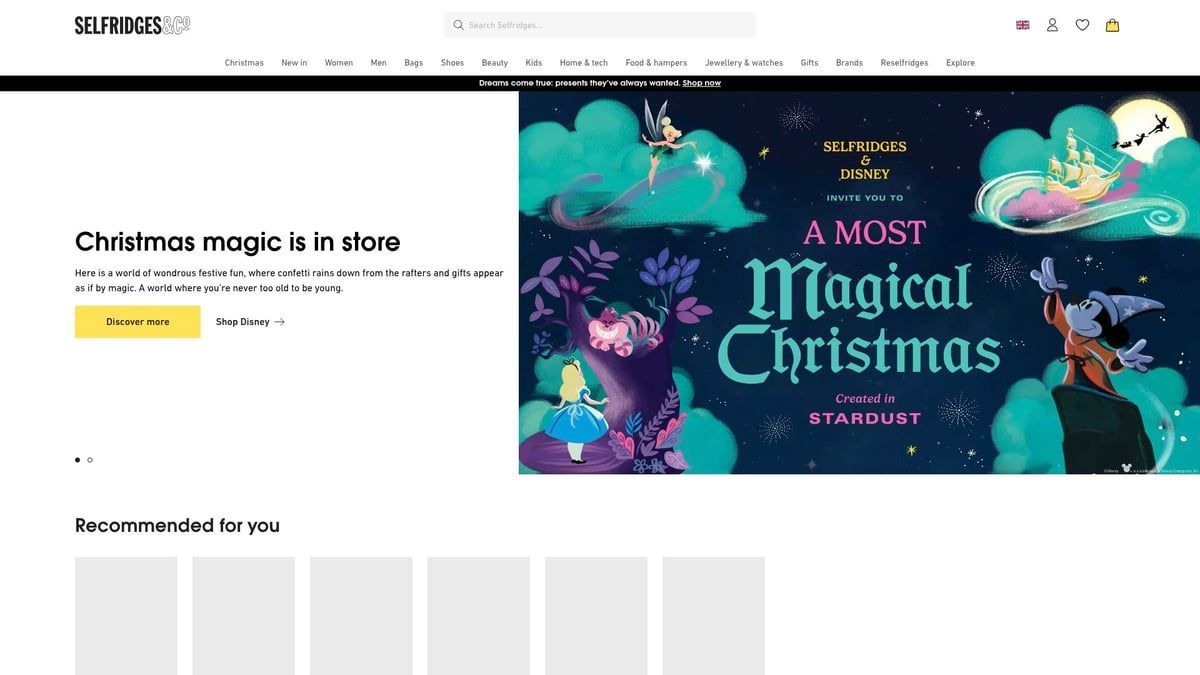
Core features include live shopping events, which let users interact with stylists and see products in action. AR-powered previews allow customers to visualise high-end products in their own spaces before purchasing. Selfridges is also recognised for its sustainability initiatives, including transparent sourcing and eco-friendly packaging.
The platform’s immersive digital experiences and exclusive brand partnerships attract discerning customers. Its curated collections and innovative digital storytelling set it apart from less personalised luxury retailers.
Pros:
- Access to exclusive and hard-to-find brands
- Strong focus on ethical and sustainable practices
Cons:
- Premium price points, not suitable for all budgets
- Limited to the luxury segment
Selfridges is the go-to for those who value quality, experience, and ethical shopping among the best retail websites.
Boohoo
Boohoo is a staple among the best retail websites for fast fashion, especially for Gen Z and millennial shoppers. Pricing is highly affordable, with regular sales and discounts making trend-driven fashion accessible to all.
Notable features include real-time trend updates and frequent influencer collaborations, keeping the product catalogue fresh. The mobile-first design ensures a smooth shopping experience on any device. Boohoo’s social shopping integration allows users to shop directly from influencer posts.
The platform excels with a large product range and ultra-fast shipping. However, its focus on rapid product turnover raises sustainability concerns, and high-end options are limited.
Pros:
- Extensive selection of affordable styles
- Quick delivery across the UK
Cons:
- Ongoing debates around sustainability
- Not ideal for shoppers seeking premium or timeless pieces
For trend-hunters and social shoppers, Boohoo stands out among the best retail websites for affordable, up-to-the-minute fashion.
IKEA
IKEA is well established as one of the best retail websites for home and lifestyle products, offering value-driven pricing and transparent costs. The site’s AR room planners let users visualise furniture in their own spaces, making the shopping journey interactive and practical.
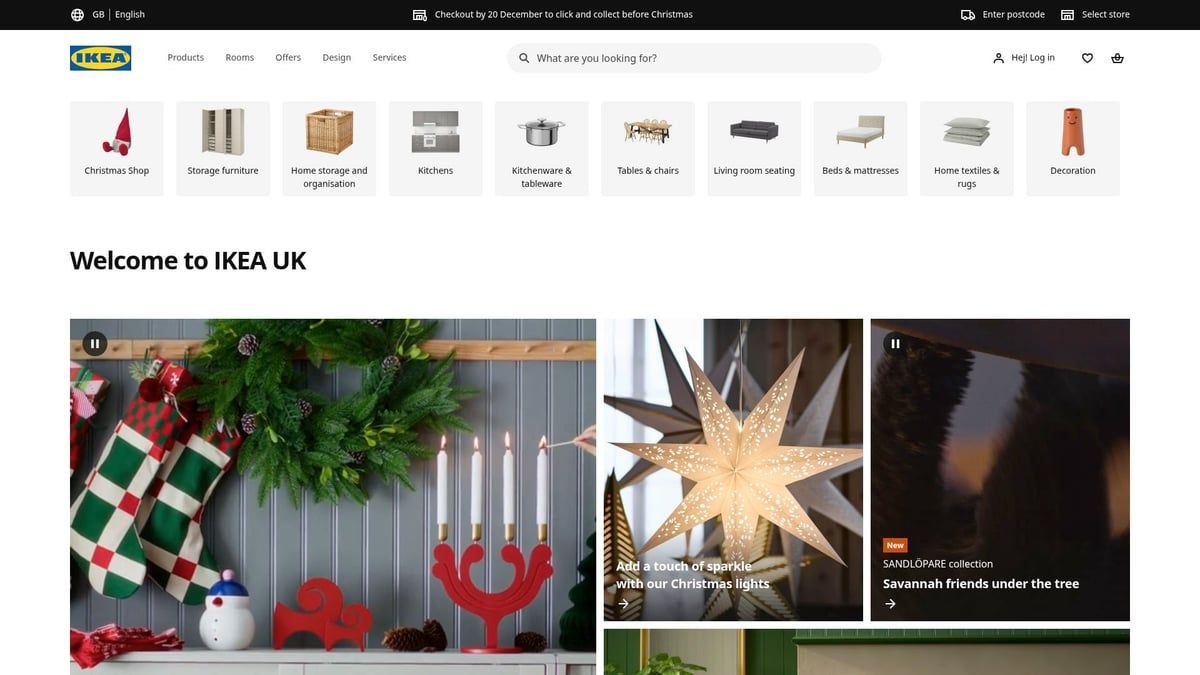
Other key features include click-and-collect services and AI-powered product recommendations that simplify the decision process. IKEA’s seamless online-to-offline experience means customers can start their journey online and complete it in-store or via delivery.
IKEA appeals to homeowners, renters, and DIY enthusiasts who value innovation and sustainability. The brand’s strong trust, innovative tools, and clear focus on eco-friendly solutions have cemented its reputation.
Pros:
- Powerful AR and planning tools
- High brand reliability
Cons:
- Some assembly required for most products
- Delivery fees may apply to larger items
For those seeking the best retail websites for home shopping, IKEA offers a blend of innovation, convenience, and trusted value.
ASOS
ASOS is a leader among the best retail websites for fashion, known for its mid-range pricing and inclusive approach. The platform offers a premier delivery subscription, adding value for frequent shoppers.
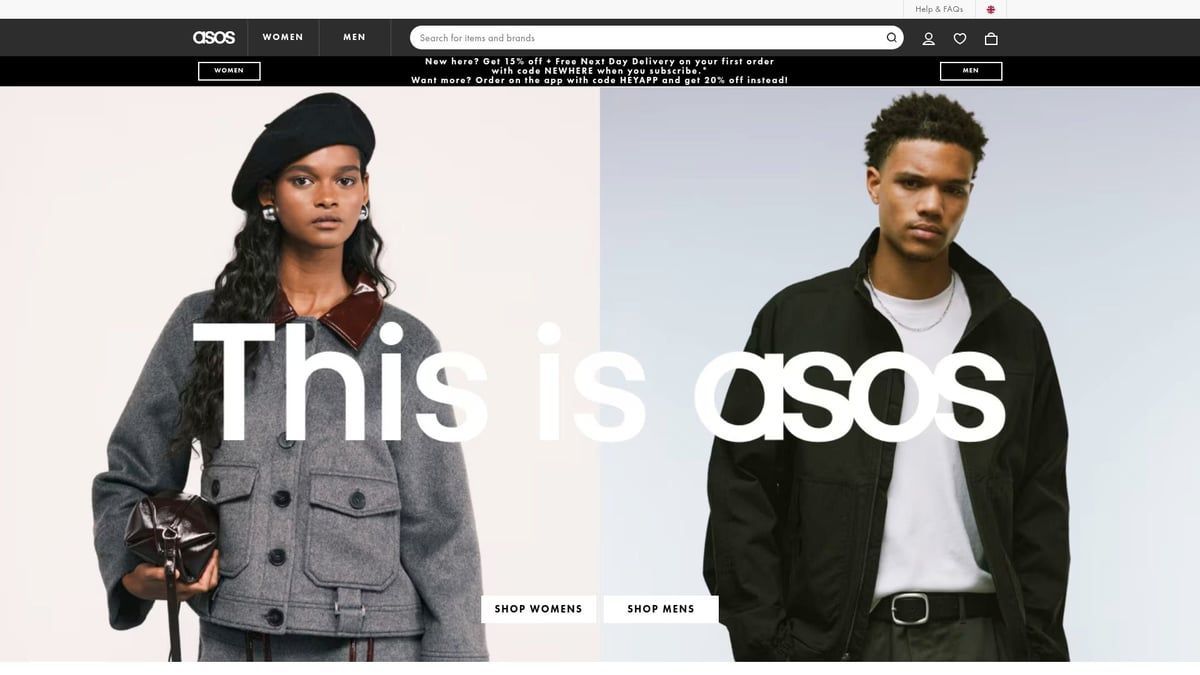
Key features include visual search, making it easy to find similar styles, and AI-driven sizing recommendations for a perfect fit. ASOS’s inclusive sizing and diverse catalogue cater to a broad audience, while the Eco Edit shop spotlights sustainable options.
With a vast selection and fast shipping, ASOS excels in convenience and choice. However, the sheer number of products can be overwhelming, and sustainability remains a challenge for the brand.
Pros:
- Wide variety of brands and styles
- Straightforward returns process
Cons:
- Difficult to navigate for those seeking specific items
- Sustainability efforts still developing
ASOS continues to set benchmarks for the best retail websites, particularly for fashion-conscious and inclusive shoppers.
Argos
Argos is a hybrid retail giant, consistently featured among the best retail websites for families, tech shoppers, and bargain hunters. The platform is known for competitive pricing and a price match promise.
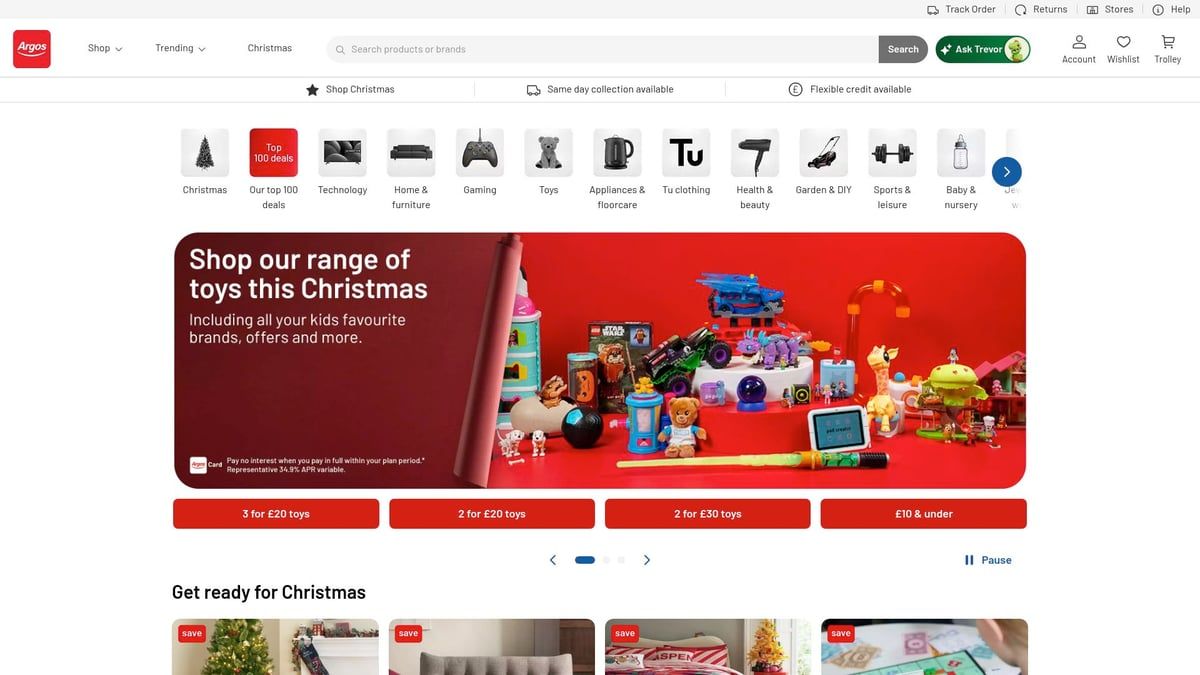
Core features include instant click-and-collect, real-time stock updates, and a robust multi-channel shopping experience. Argos’s hybrid model bridges the gap between online and high street, offering broad product categories from electronics to homeware.
The site’s fast fulfilment and extensive network of pickup points are major strengths. While the website design is basic, it is functional and easy to navigate.
Pros:
- Rapid order processing and collection
- Wide range of products
Cons:
- Limited selection of premium brands
- Website design less modern than some competitors
Argos remains a trusted name among the best retail websites for value and convenience.
Made.com
Made.com is a favourite among the best retail websites for design-led shoppers and home décor enthusiasts. Pricing ranges from mid to premium, with direct-to-consumer pricing ensuring value for unique furniture pieces.
Virtual showrooms and AR product previews allow users to visualise items in their own homes. Made.com’s customisable furniture options and transparent manufacturing processes appeal to those who want something different from mass-produced alternatives.
The platform is ideal for those seeking inspiration and personalisation in home design. However, longer delivery times and a limited physical presence can be drawbacks.
Pros:
- Customisable, stylish furniture
- Direct connection to designers
Cons:
- Delivery can take several weeks
- Fewer showrooms than traditional retailers
For anyone searching for the best retail websites in home décor, Made.com delivers on creativity and choice.
John Lewis & Partners
John Lewis & Partners is synonymous with trust and quality, consistently ranking among the best retail websites for UK families and professionals. Pricing spans mid to high-end, supported by a price match guarantee.
Standout features include personalised shopping advice, virtual appointments, and a strong commitment to sustainability. The product range is vast, from fashion to electronics, all backed by renowned customer service and ethical sourcing pledges.
The platform’s reliable delivery and after-sales support make it a favourite for those who value peace of mind. While prices are higher and fast fashion is not a focus, the quality and service are unmatched.
Pros:
- Exceptional customer care
- Wide product selection
Cons:
- Less accessible for budget shoppers
- Focused on quality over trend-driven items
John Lewis & Partners continues to set the standard for the best retail websites, providing a trusted, ethical, and comprehensive shopping experience.
Key Features to Look for in a Modern Retail Website
Choosing the best retail websites in 2026 means knowing which features truly matter for both shoppers and businesses. Modern platforms are more than just digital storefronts, they are immersive, intelligent, and secure spaces that drive sales and build trust. Let us explore what sets the best retail websites apart today.
Intuitive Navigation & Mobile-First Design
A standout feature of the best retail websites is intuitive navigation paired with a mobile-first approach. Clear menus, accessible search, and logical product categorisation help users find what they want quickly. With over 60% of UK shoppers browsing on their mobiles, responsive design is no longer optional.
Platforms like Avantiy and Shopify offer a wide range of modern retail website templates, making it easy for small businesses to launch beautiful, user-friendly sites without needing a developer. Prioritising navigation and mobile optimisation increases engagement and reduces bounce rates.
AI & Personalisation
Artificial intelligence is transforming the best retail websites by delivering tailored experiences. AI-driven product recommendations, personalised content, and smart chatbots help shoppers discover products they genuinely want.
Avantiy’s integrated AI tools, for example, learn from user behaviour and automate updates, keeping stores fresh and relevant. In comparison, Shopify and Wix often rely on third-party apps for similar features, which may add costs or complexity. Personalisation not only boosts conversion but also builds long-term loyalty.
Checkout, AR/VR, and Inventory Transparency
Seamless checkout is essential for the best retail websites. This means quick loading, guest checkout, multiple payment options, and clear calls to action. Abandoned baskets drop dramatically when users trust the process.
AR and VR features let customers visualise products in their space, bringing confidence to homeware and fashion purchases. Real-time stock updates and transparent shipping information, as found on sites like Argos and IKEA, ensure buyers are never left guessing. These elements combine to create a frictionless, confidence-inspiring journey.
SEO, Speed & Security
Visibility is crucial. The best retail websites integrate built-in SEO tools to help stores rank higher on Google and reach more UK shoppers. Avantiy, for instance, includes built-in SEO for retailers as standard, unlike platforms such as Squarespace or GoDaddy, which may require extra plugins.
Fast page load times are vital, especially for mobile users. Secure data handling, GDPR compliance, and robust privacy features are now non-negotiable. Customers are more likely to complete purchases when they know their information is protected.
Understanding these key features will help you identify and choose the best retail websites for your needs, whether you are shopping or building your own store.
How to Choose the Right Retail Website for Your Business or Shopping Needs
Selecting from the best retail websites can make or break your online success. With so many options available in 2026, it's crucial to match your platform to your specific business or personal shopping needs. The right choice can boost your sales, enhance customer loyalty, and streamline daily operations.
Assess Your Goals and Audience
Start by clarifying your goals. Are you building a brand, scaling quickly, or delivering a standout customer experience? Each of the best retail websites serves different needs. For example, a boutique with a unique story may value strong branding tools, while a tech retailer might prioritise inventory management.
Know your audience as well. Are your shoppers value-driven, eco-conscious, or seeking cutting-edge features? Recent research on consumer preferences for AI in online shopping shows that 58 percent of buyers now prefer AI tools over traditional search, so platforms with advanced personalisation can give you an edge.
Compare Platform Features and Usability
Evaluate how each platform handles day-to-day tasks. Do you need a drag-and-drop builder or are you comfortable with custom development? The best retail websites like Avantiy and Shopify offer all-in-one solutions, but differ in setup and flexibility.
Consider these comparison points:
| Feature | Avantiy | Shopify | Wix/Squarespace | Argos (example) |
|---|---|---|---|---|
| Drag-and-drop builder | Yes, AI-powered | Yes | Yes | No |
| Custom code flexibility | Limited | Extensive | Moderate | N/A |
| AI content generation | Yes | Limited | No | N/A |
| Setup speed | Fast | Medium | Fast | N/A |
If you need rapid deployment and minimal fuss, Avantiy’s AI-driven setup is a practical choice.
Weigh Pricing, Support, and Integrations
Budget matters, especially for SMEs and startups. Compare the value you get for your spend. Some of the best retail websites offer transparent monthly plans, while others charge extra for add-ons or support.
Look for:
- Clear pricing with no hidden fees
- Responsive customer support
- Built-in SEO and marketing tools
- Integration with shipping, payments, and CRM
For a detailed breakdown, review this retail website pricing guide to see how different platforms stack up.
Practical Examples and Final Tips
Let's put it into context. A boutique fashion retailer might choose Avantiy for its blend of AI content, fast setup, and personal support, especially if coding isn’t your strength. In contrast, a large tech retailer could benefit from Argos’ hybrid click-and-collect model for serving a wide customer base.
When choosing among the best retail websites, always:
- Test user journeys on mobile and desktop
- Check for scalable features as your business grows
- Prioritise platforms that match your technical expertise
Invest time in demos or free trials before committing. The right choice will empower your business or shopping experience for years to come.
Having explored what sets the best retail websites apart in 2026, you can see just how much innovation matters—whether it’s lightning-fast mobile experiences, seamless AI personalisation, or secure, stress-free checkout. If you’re ready to put these insights into practice and want a website that grows with your ambitions, there’s never been a better time to start. With Avantiy, you don’t need to code or wait weeks—simply use the intuitive tools and expert support to build a beautiful, high-performing site in hours.
Get Started for Free
Start building your new website today
No credit of debit card required start building today